





What's Happening?
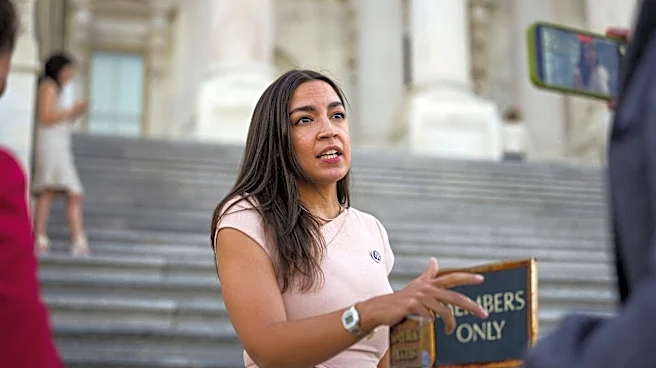
Representative Alexandria Ocasio-Cortez has publicly announced her decision to freeze her eggs, a move that has ignited a national conversation about reproductive autonomy and the accessibility of fertility preservation. Ocasio-Cortez, a prominent New
York Democrat, shared her personal journey through social media, highlighting the financial and procedural aspects of egg freezing. She emphasized the importance of discussing reproductive health openly, especially in the current political climate where access to reproductive care is a contentious issue. The congresswoman's decision is part of a broader trend, as elective egg freezing has become increasingly common in the U.S., with significant growth in the number of cycles performed over the past decade.
Why It's Important?
Ocasio-Cortez's decision underscores the growing interest and need for reproductive autonomy among women, particularly in the face of political challenges to reproductive rights. Her openness about the process and costs associated with egg freezing brings attention to the financial barriers many women face when considering fertility preservation. This discussion is crucial as it highlights the disparities in access to reproductive technologies and the need for policy changes to support women's health choices. The congresswoman's actions may influence public opinion and policy, potentially leading to increased support for reproductive health services and insurance coverage for fertility treatments.
What's Next?
The public discourse initiated by Ocasio-Cortez's announcement may lead to increased advocacy for reproductive rights and healthcare reforms. As more women consider egg freezing, there could be a push for insurance companies to cover these procedures, making them more accessible. Additionally, the conversation may prompt legislative efforts to protect and expand reproductive health services, ensuring that women have the autonomy to make informed decisions about their reproductive futures. Stakeholders, including healthcare providers, policymakers, and advocacy groups, are likely to engage in discussions about how to address the financial and informational barriers to fertility preservation.