



What's Happening?
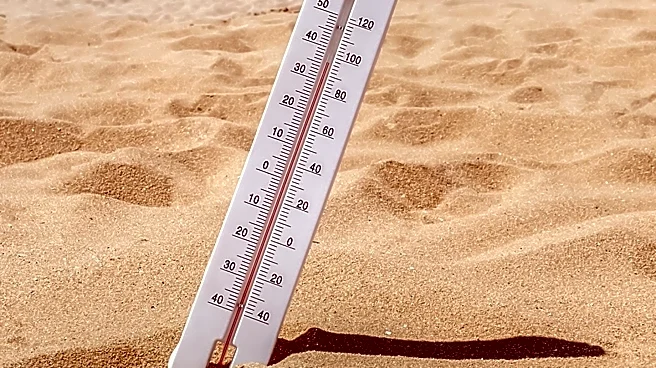
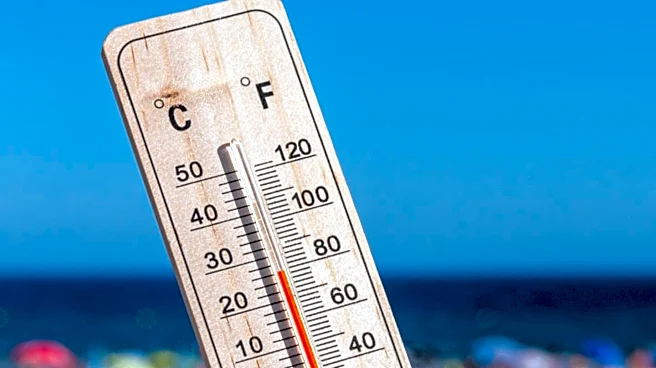
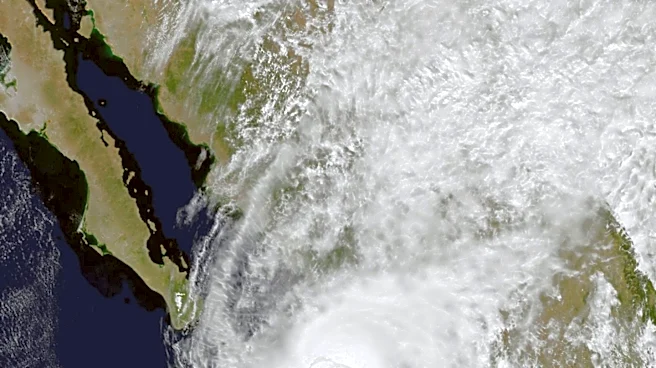
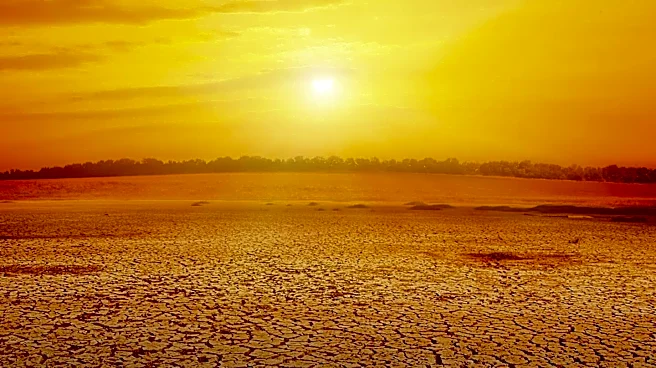
Southern California is bracing for another heat wave, with the National Weather Service issuing a heat advisory from Wednesday through Monday. Temperatures are expected to rise steadily, reaching highs between the mid-90s and 105 degrees in inland areas
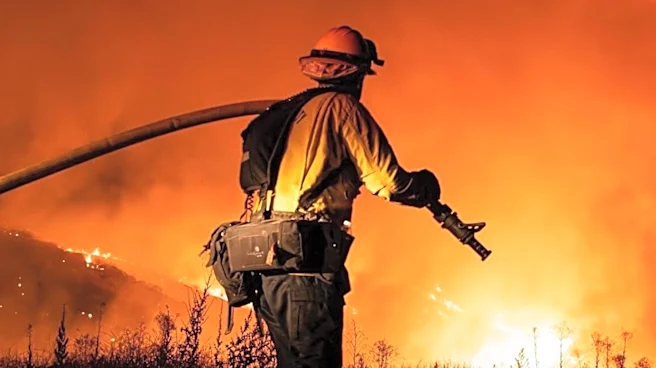
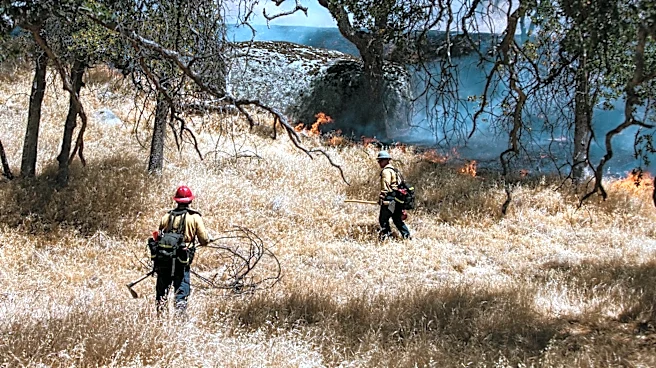
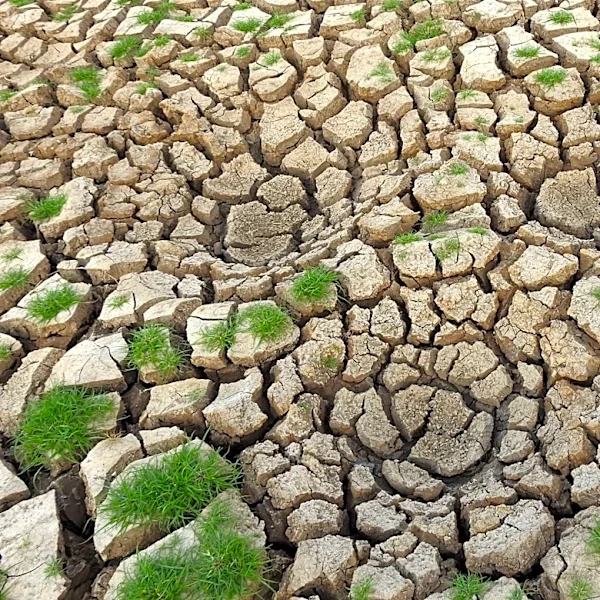
such as the San Fernando Valley and San Gabriel Valley. Coastal areas, including downtown Los Angeles and Orange County, will see temperatures in the 90s, while beaches will remain in the upper 70s. The heat wave is accompanied by humidity, which complicates cooling efforts, especially at night. The advisory highlights the increased risk of heat-related illnesses for vulnerable populations, including outdoor workers, the elderly, and young children. Additionally, the dry conditions and wind create a heightened risk for wildfires, particularly in areas with dry vegetation.
Why It's Important?
The prolonged heat wave in Southern California underscores the growing impact of climate change, as heat waves become more frequent, intense, and longer-lasting. This situation poses significant health risks, particularly for those without access to air conditioning or adequate cooling measures. The increased fire risk also threatens communities, as dry conditions and wind can quickly escalate small fires into larger, more dangerous blazes. The economic implications are notable, with potential disruptions to outdoor work and increased energy consumption as residents rely more on air conditioning. The situation calls for heightened awareness and preparedness to mitigate health and safety risks.
What's Next?
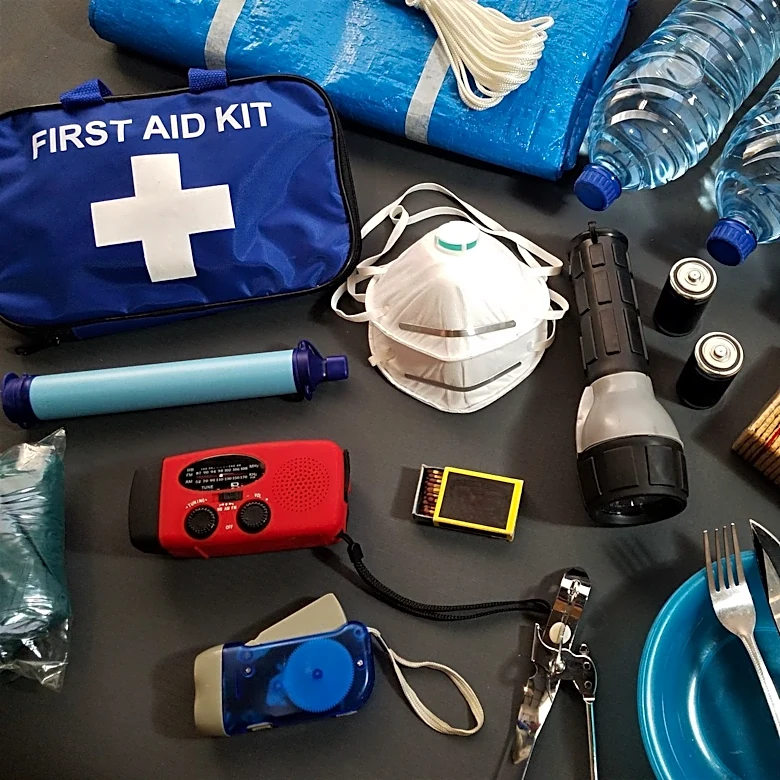
As the heat wave continues, residents are advised to take precautions, such as staying hydrated, avoiding strenuous outdoor activities, and checking on vulnerable individuals. Local authorities may implement additional measures to manage the increased fire risk, including issuing fire warnings and advising on safe practices to prevent accidental ignitions. The situation also highlights the need for long-term strategies to address climate change and improve community resilience to extreme weather events. Public awareness campaigns and infrastructure improvements, such as enhancing cooling centers and fire prevention resources, could be critical in mitigating future impacts.