




What's Happening?
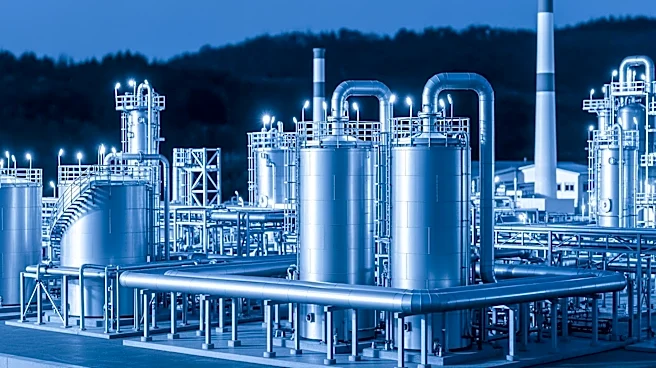
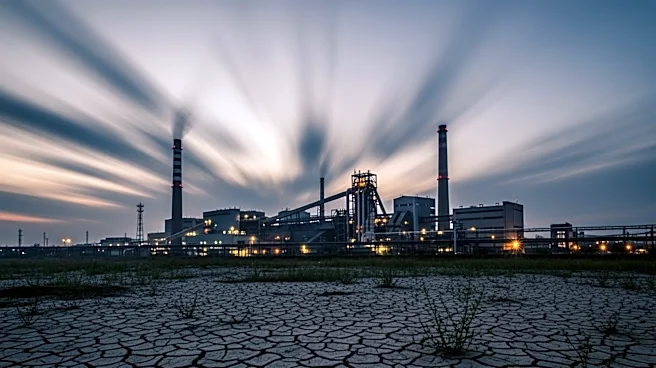
Oklahoma's Attorney General, Gentner Drummond, has filed a lawsuit to prevent the construction of what would be the largest aluminum smelter in the United States. The $4 billion project, backed by President Trump, is a joint venture between Emirates Global
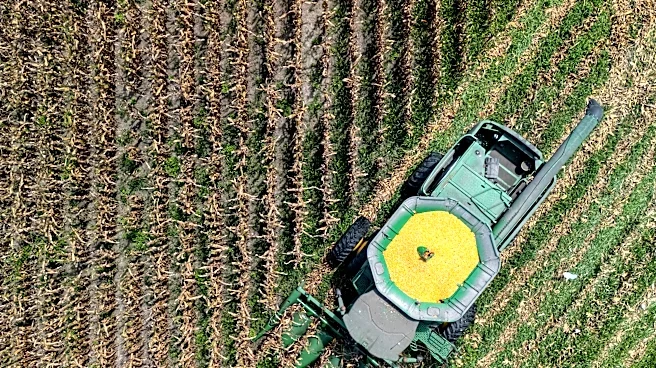
Aluminum and Century Aluminum. Drummond's lawsuit, filed in state court, raises concerns about the environmental impact of the smelter, particularly its potential to harm local cattle and the community's health due to air and water pollution. The project, slated for Inola, Oklahoma, is also criticized for its ties to the United Arab Emirates, with Drummond labeling it as an 'Islamic foreign monarchy.' The lawsuit comes amid a political backdrop, as Drummond is running for governor and President Trump has endorsed his opponent in the Republican primary.
Why It's Important?
The lawsuit highlights the ongoing debate over critical mineral projects in rural America, where economic development often clashes with environmental and community health concerns. The smelter, if built, would significantly reduce U.S. reliance on imported aluminum, aligning with the Trump administration's tariff policies aimed at boosting domestic production. However, the environmental risks and foreign ownership ties present challenges that could influence public opinion and policy decisions. The outcome of this legal battle could set a precedent for future industrial projects in rural areas, impacting local economies and environmental policies.
What's Next?
The court's decision on the lawsuit will be pivotal in determining whether the smelter project proceeds. If the lawsuit succeeds, it could delay or halt construction, affecting the timeline for reducing U.S. aluminum imports. Political dynamics may also shift, as the lawsuit's timing coincides with the Republican gubernatorial primary, potentially influencing voter sentiment. Stakeholders, including local communities, environmental groups, and industry players, will likely continue to engage in the debate, with potential implications for future regulatory and policy frameworks regarding industrial projects in rural areas.