




What's Happening?
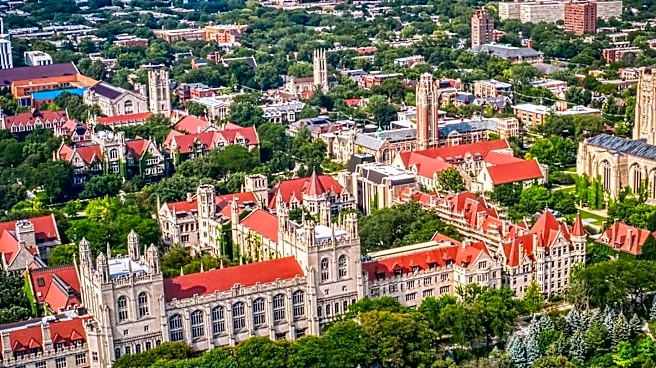
The University of Chicago's Department of Public Health Sciences, under its new Chair Brandon Pierce, is intensifying its focus on genetic and environmental risk factors for cancer. The department leverages advanced technologies for genomic characterization,
chemical measurement in biospecimens, geospatial analyses, and real-time behavior tracking. Pierce's own research group specifically investigates how genetic variations and environmental exposures, such as arsenic in drinking water, contribute to cancer development and biological aging. This includes studying telomeres, the ends of chromosomes linked to aging and various diseases, including cardiovascular disease and cancer. The department is also developing methods to characterize environmental arsenic levels within cells, moving beyond traditional fluid measurements to understand the direct impact on disease risk. This approach aims to provide a more precise understanding of how environmental toxins affect human health at a cellular level.
Why It's Important?
This research is crucial for public health in the U.S. as it directly addresses the complex interplay between genetics and environmental factors in disease causation, particularly cancer. By identifying specific genetic predispositions and environmental carcinogens, public health initiatives can become more targeted and effective. Understanding how substances like arsenic impact cells can lead to improved diagnostic tools, preventative strategies, and potentially new treatments. The focus on biological aging and telomere research also offers insights into the fundamental processes of disease development, which could have broad implications for age-related health conditions beyond cancer. For U.S. communities, especially those with environmental contamination concerns, this research provides a scientific basis for advocating for cleaner environments and implementing public health interventions to reduce exposure to harmful substances, thereby mitigating long-term health risks and disparities.
What's Next?
The Department of Public Health Sciences plans to continue expanding its research capabilities and interdisciplinary collaborations. This includes potentially recruiting population scientists with interests in the human microbiome and exploring pharmaceutical development, markets, and delivery in collaboration with other university departments. The department also aims to maintain the growth of its graduate programs and support its faculty in their research endeavors. Future work will likely involve further development of technologies for measuring environmental chemicals in biological samples and refining methods for analyzing large datasets, possibly through artificial intelligence. The goal is to translate these scientific advancements into practical public health strategies, such as more accurate risk assessments and personalized prevention plans, to better protect the U.S. population from environmental and genetic health threats.
Beyond the Headlines
The emphasis on understanding environmental carcinogens at a cellular level, as exemplified by the arsenic research, highlights a shift towards more granular and precise public health interventions. This approach moves beyond simply identifying exposure to understanding the biological mechanisms of harm, which can lead to more effective regulatory policies and public awareness campaigns. The integration of genetic and environmental epidemiology also underscores the ethical considerations surrounding personalized medicine and environmental justice. As genetic risk factors become clearer, questions arise about equitable access to genetic screening and counseling. Similarly, identifying environmental hotspots of carcinogens raises issues of environmental equity and the responsibility of industries and governments to protect vulnerable populations. This research could ultimately inform a more holistic and equitable approach to public health, addressing both individual susceptibilities and systemic environmental challenges.