




What's Happening?
A new study published in the journal Nature indicates that climate change poses a greater threat to cacti than previously understood, primarily due to the combined effects of extreme heat and drought. While cacti are known for their resilience in harsh
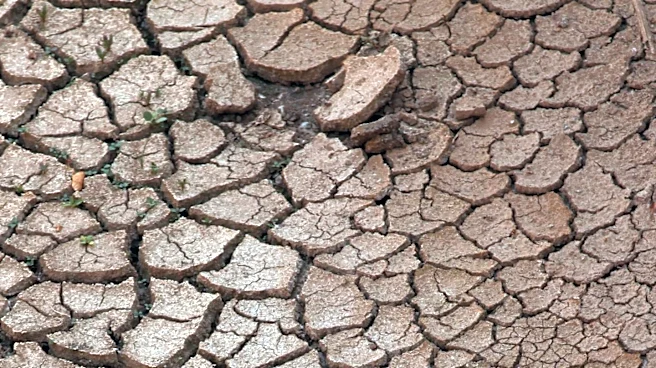
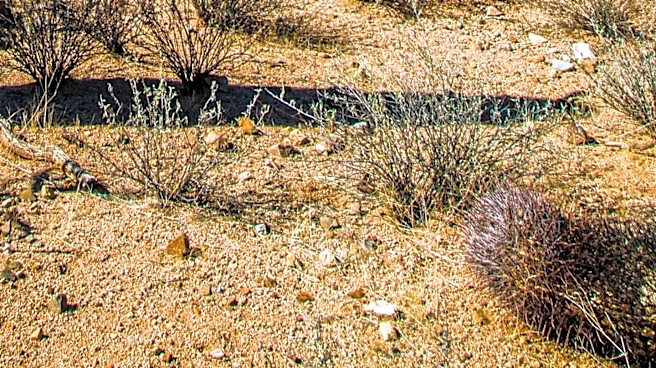
environments, the research found that more than a quarter of nearly 1,000 analyzed cactus species could lose most of their suitable habitat by the end of the century, with over 80% facing significant habitat decline. This is a substantially higher threat level than when only rising temperatures and average precipitation were considered. The study integrated new spatial data on severe drought with climate models and analyzed nearly 650,000 records of cacti globally. Researchers were surprised by the intensity of the results, challenging the long-standing assumption that cacti would be 'winners' in a warming world. Recent unprecedented droughts have already led to widespread die-offs of species like saguaros in Arizona.
Why It's Important?
This study has significant implications for U.S. ecosystems, particularly in the Southwest, where cacti are iconic and ecologically vital. The potential loss of saguaros and other cactus species due to climate change would disrupt desert ecosystems, affecting biodiversity, food webs, and the overall health of these unique environments. Cacti provide habitat and food for numerous desert animals, and their decline could trigger cascading effects throughout these ecosystems. For the U.S., this research underscores the broad and often unexpected impacts of global warming on even the most resilient plant species, highlighting the need for more comprehensive conservation strategies. It also signals potential economic impacts related to ecotourism and the cultural significance of these plants in regions like Arizona. The findings challenge previous assumptions about climate change winners and losers, emphasizing that no ecosystem is immune to its effects.
What's Next?
The study's authors suggest that their modeling approach can be applied to other plant species, potentially revealing similar vulnerabilities. For cacti, the research provides a basis for developing more targeted conservation efforts. This includes strategies like 'assisted migration,' where seeds are artificially dispersed into new environments that better fit a cactus's climate niche, to establish more stable populations for at-risk species. Raising awareness about the most vulnerable cactus species and the need for more data will also be crucial to direct limited conservation resources effectively. Researchers hope that the widespread public interest in cacti, which contributed citizen science data to this study, can be leveraged to support these conservation initiatives. The findings will likely prompt environmental agencies and conservation groups in the U.S. to re-evaluate existing protection plans for desert flora.
Beyond the Headlines
The study's findings extend beyond the immediate threat to cacti, offering a stark reminder of the pervasive and complex nature of climate change impacts. It highlights how even species traditionally considered robust against environmental extremes are now vulnerable to novel climate regimes. This challenges our understanding of ecological resilience and adaptation in a rapidly changing world. Ethically, the potential loss of such iconic and ancient species raises questions about humanity's stewardship of biodiversity and the irreversible consequences of climate inaction. Culturally, cacti hold deep significance for many Indigenous communities and are integral to the identity of the American Southwest; their decline represents a loss of natural heritage. The research also underscores the value of citizen science, demonstrating how public engagement can contribute significantly to scientific understanding and conservation efforts, fostering a broader sense of collective responsibility for environmental protection.