






What's Happening?
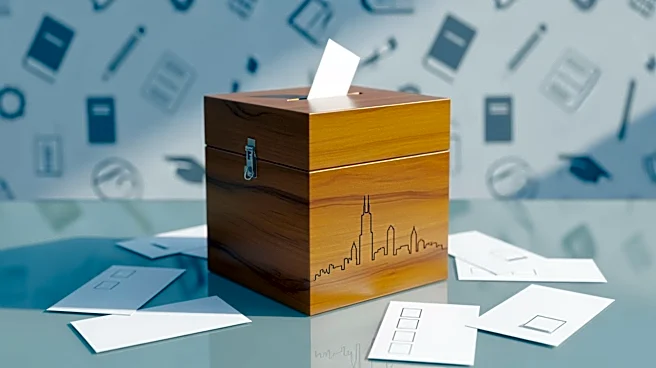
Chicago is preparing for its first fully elected school board, with 51 candidates filing to run for 21 seats. The election marks a significant shift from the previous system, where board members were appointed. The candidates include a mix of incumbents,
political newcomers, and parents, all vying for positions in a race that will see 10 elected members and 11 appointed by the mayor. The election is part of a two-year transition to a fully elected board, with the November election set to be one of the largest school board races in the country. Key issues for candidates include budget cuts and a looming deficit in the Chicago Public Schools system.
Why It's Important?
The move to a fully elected school board represents a major change in how education governance is conducted in Chicago, potentially increasing accountability and community involvement in decision-making. The election could set a precedent for other cities considering similar reforms. With significant budgetary challenges facing the district, the new board will play a crucial role in shaping the future of education in Chicago. The diverse slate of candidates reflects a broad interest in educational issues and the desire for more representative governance. The outcome of the election could influence educational policy and funding priorities in the city.
What's Next?
Candidates will now focus on campaigning and addressing key issues such as budget management and educational equity. The election process will include challenges to the validity of signatures, a common practice in Illinois politics. The Chicago Electoral Board will review these challenges in early June. As the election approaches, candidates will need to engage with voters and articulate their visions for the future of Chicago's schools. The transition to a fully elected board will be closely watched by educational stakeholders and could inspire similar reforms in other districts.