






What's Happening?
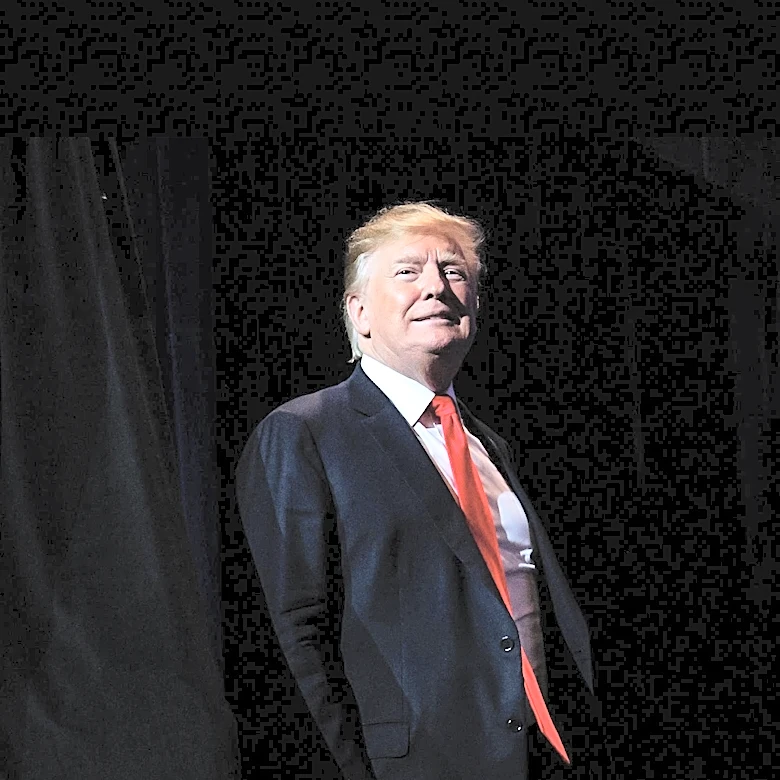
President Trump recently made statements suggesting his intention to declare the Strait of Hormuz U.S. territory following the conclusion of ongoing U.S. and Israeli combat operations against Iran, which began in February. President Trump was quoted saying,
"After we finish defeating Iran, which is being very badly defeated — pretty soon I’ll be declaring the Hormuz Strait a territory of the United States." Although the White House later indicated these comments were made in jest, the statement has drawn significant attention due to its potential implications for international law and U.S. foreign policy. These remarks come as the U.S. government continues to exert pressure on adversaries, with the recently renamed Lindsey O. Graham Sanctioning Russia and Iran Act of 2026 providing additional tools to increase pressure on Russia regarding the war in Ukraine. The act aims to impact Russia's wartime economy and its sources of foreign income, restoring Congress's role in this policy area.
Why It's Important?
President Trump's declaration, even if retracted as a joke, carries significant weight due to its challenge to established international norms of freedom of navigation, a principle the U.S. Navy has upheld for over 80 years around the world. Such statements could undermine U.S. credibility and alliances, particularly in the Pacific, where nations might question America's commitment against expansionist strategies by powers like China. The ongoing U.S. and Israeli operations against Iran, now 170 days in, highlight persistent tensions in the Middle East, with the Strait of Hormuz being a critical global oil transit choke point. Any disruption or unilateral claim over it could have severe economic repercussions worldwide. Furthermore, the new sanctions act underscores the U.S. government's strategy of economic pressure against both Russia and Iran, aiming to influence their geopolitical actions and potentially bring Russia to negotiations over Ukraine, impacting global energy markets and international relations.
What's Next?
The immediate aftermath of President Trump's comments will likely involve diplomatic efforts to clarify the U.S. stance on international waters and freedom of navigation. Allies in the Pacific and other regions may seek reassurances regarding U.S. foreign policy consistency and commitment to international law. The U.S. and Israeli combat operations against Iran are expected to continue, with their resolution remaining uncertain, potentially leading to further instability in the Middle East. The implementation of the Lindsey O. Graham Sanctioning Russia and Iran Act of 2026 will proceed, potentially leading to increased economic pressure on the targeted nations, which could impact global trade and energy prices. International observers will closely monitor any further statements from President Trump or the White House that could impact global maritime security or U.S. alliances, as well as the effectiveness of the new sanctions.
Beyond the Headlines
President Trump's remarks, regardless of intent, expose deeper tensions within U.S. foreign policy and its global standing. The idea of unilaterally claiming an international strait could set a dangerous precedent, potentially emboldening other nations to assert similar claims over disputed territories, thereby destabilizing international maritime law and increasing the risk of conflict. It also highlights the ongoing debate about the role of rhetoric in diplomacy and the impact of presidential statements on global perceptions of U.S. reliability and adherence to international norms. The confluence of military operations in Iran, new sanctions, and controversial presidential comments suggests a complex and potentially volatile period for U.S. international relations, with long-term implications for global trade, security, and alliances, particularly concerning the balance of power in critical geopolitical regions.