







What's Happening?
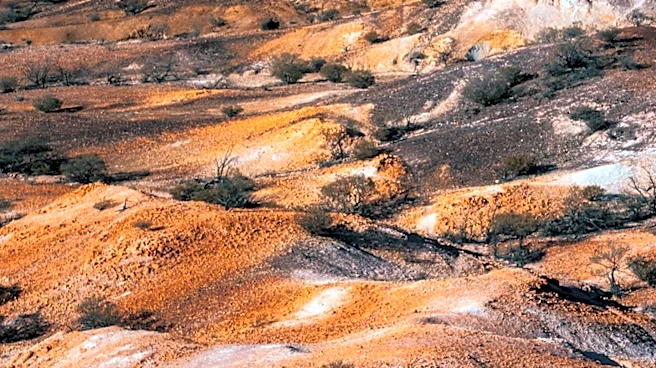
Geotourism is defined as a form of travel focused on understanding and appreciating the distinctive geological and geomorphological features of a place. This specialized tourism aims to educate visitors about how landscapes were formed, the significance
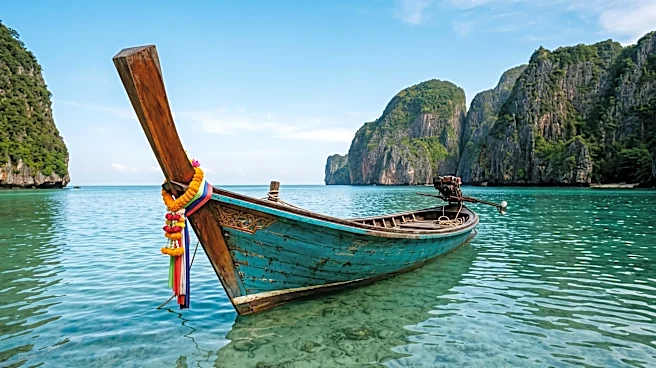
of geological sites, and the importance of their conservation. Unlike general nature-based tourism, geotourism specifically interprets Earth heritage through guided tours, museums, and accessible pathways, making complex geological history understandable to a broader audience. Examples include exploring volcanic landforms, caves, fossil sites, mountains, coastal features, river gorges, and geothermal areas. The concept also extends to urban settings, where geological heritage can be found in building stones and historical quarries. UNESCO Global Geoparks, such as Jeju Island, Hong Kong, and Arouca, exemplify how geotourism integrates geological protection, education, and sustainable development, often involving local communities in the process.
Why It's Important?
Geotourism holds significant importance for the U.S. by promoting a deeper appreciation for the nation's diverse geological landscapes and fostering conservation efforts. For regions with unique geological formations, such as national parks and monuments, geotourism can drive economic development through increased visitor spending on local guides, accommodation, and services. This specialized tourism can also enhance educational initiatives, raising public awareness about geological processes, natural hazards, and the need for environmental protection. By engaging local communities, geotourism can create meaningful employment opportunities and ensure that the benefits of tourism are shared equitably. However, poorly managed geotourism could lead to negative impacts, including site degradation, overcrowding, and potential conflicts with local residents, underscoring the need for careful planning and monitoring to ensure sustainability and responsible access.
What's Next?
The future of geotourism in the U.S. is likely to see continued growth and refinement, with an emphasis on sustainable management practices. As interest in experiential and educational travel increases, more destinations may seek to develop or enhance their geotourism offerings, potentially leading to the establishment of new geoparks or interpretive programs. There will be a critical need for accurate interpretation, community involvement in decision-making, and robust monitoring of visitor impacts to protect fragile geological sites. The integration of technology, such as virtual reality or interactive exhibits, could further enhance the educational aspect of geotourism. Additionally, efforts to make geotourism more accessible to individuals with diverse needs will be crucial for broadening its appeal and ensuring inclusivity.
Beyond the Headlines
Beyond its direct economic and educational benefits, geotourism has the potential to foster a stronger connection between people and the natural world, promoting a sense of stewardship for Earth's geological heritage. By understanding the immense timescales and powerful forces that have shaped landscapes, visitors may develop a greater appreciation for the planet's fragility and resilience. This deeper engagement can influence attitudes towards environmental policy and conservation funding. Furthermore, geotourism can serve as a platform for interdisciplinary learning, linking geology with history, culture, and ecology. The challenge lies in balancing visitor access with the imperative to preserve these irreplaceable natural wonders, ensuring that the pursuit of knowledge and appreciation does not inadvertently lead to their degradation. This delicate balance requires ongoing dialogue and collaboration among scientists, tourism operators, local communities, and policymakers.