
What's Happening?
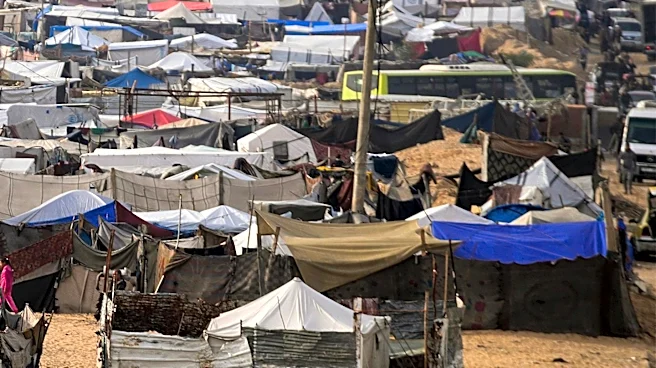
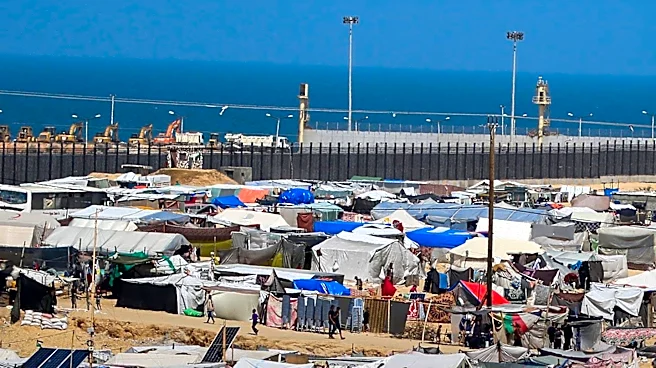
Sudan is experiencing a severe bread shortage, pushing more of its population into hunger. Most bakeries in the capital, Khartoum, have closed due to surging wheat prices and critical fuel shortages. The
price of a loaf of bread in Khartoum has doubled in the past week, making it unaffordable for many families, with some reporting that their combined salaries are now spent solely on bread. The Sudanese pound has significantly depreciated against the dollar, losing approximately 25 percent of its value in the last month. This economic crisis, exacerbated by the ongoing conflict between the paramilitary Rapid Support Forces (RSF) and the army, has led to widespread power outages and disruptions in aid deliveries. International organizations have warned of the potential spread of famine, with over 200,000 people in South Kordofan and North Darfur states already experiencing famine conditions, and an estimated 20 million people suffering from severe food insecurity. Poverty rates in Sudan have soared to 80 percent, and inflation reached 99 percent last year.
Why It's Important?
The escalating food crisis in Sudan has profound humanitarian implications, threatening the lives and livelihoods of millions. The inability of families to afford basic staples like bread signifies a collapse in food security, leading to malnutrition and starvation. The conflict's division of the country into rival zones of influence, with the army controlling Khartoum and central/eastern Sudan and the RSF controlling Darfur and parts of the south, severely impedes the distribution of essential aid. The economic downturn, marked by currency depreciation and high inflation, further cripples the government's capacity to import vital resources like fuel and wheat. This situation creates a vicious cycle where conflict exacerbates economic instability, which in turn deepens the humanitarian crisis, making recovery increasingly difficult and prolonging suffering for the civilian population. The potential spread of famine to more cities underscores the urgency of international intervention and a resolution to the conflict.
What's Next?
The immediate future for Sudan points to a deepening humanitarian crisis if current trends continue. International organizations are expected to intensify their calls for urgent funding and humanitarian access to prevent the spread of famine. Efforts to deliver aid, particularly wheat and fuel, will face ongoing challenges due to the conflict, road closures, and the depreciating currency. The closure of more bakeries and the increasing cost of food staples will likely lead to further widespread hunger and malnutrition. Without a significant shift in the conflict dynamics or a substantial increase in international aid and economic support, the number of people experiencing severe food insecurity and famine conditions is projected to rise. The situation demands a concerted effort from global actors to address both the root causes of the conflict and the immediate humanitarian needs.
Beyond the Headlines
The crisis in Sudan extends beyond immediate food shortages, revealing deeper systemic issues rooted in prolonged conflict and governance failures. The collapse of essential services, including power and fuel supply, highlights the fragility of infrastructure in conflict zones. The reliance on imported wheat makes the country highly vulnerable to global market fluctuations and currency depreciation, underscoring the need for long-term strategies to enhance domestic food production and resilience. The soaring poverty rates and inflation indicate a broader societal breakdown, where the economic fabric is unraveling, leading to widespread despair and displacement. This situation could have lasting impacts on Sudan's social cohesion, development trajectory, and regional stability, potentially creating a generation scarred by conflict, hunger, and lack of opportunity. Addressing these underlying issues will require comprehensive peacebuilding efforts, economic reconstruction, and sustained international commitment.