



What's Happening?
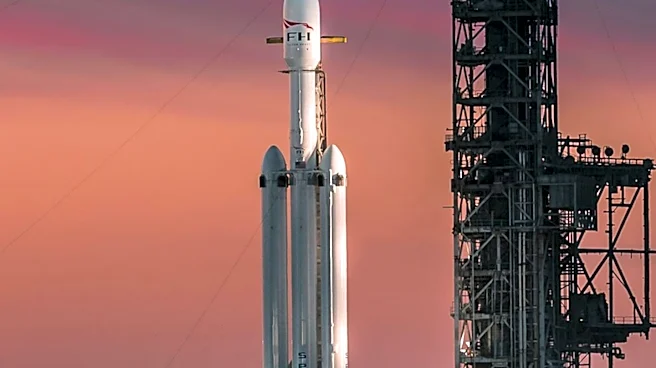
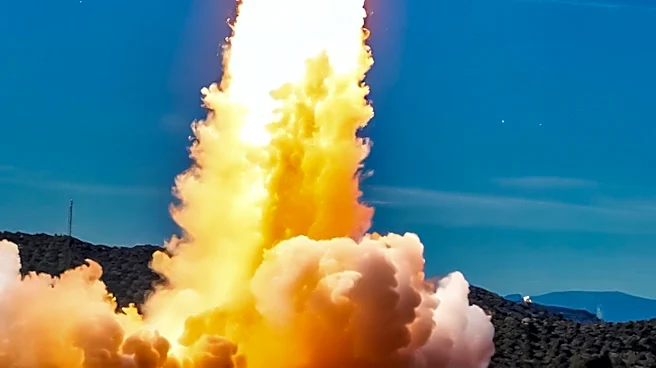
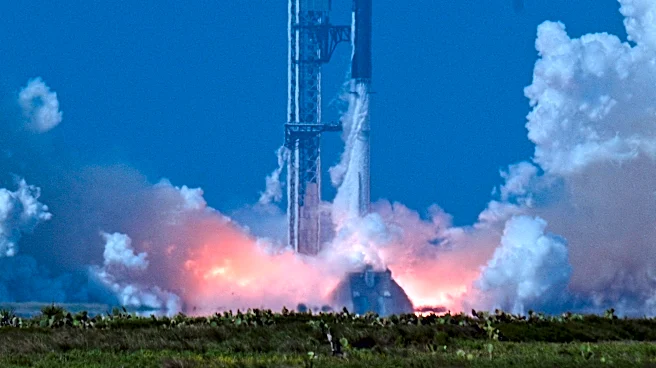
NASA has announced a change in the launch vehicle for its SunRISE (Sun Radio Interferometer Space Experiment) mission, which will now be launched aboard a SpaceX Falcon Heavy rocket from Kennedy Space Center in Florida. Originally set to launch on a United
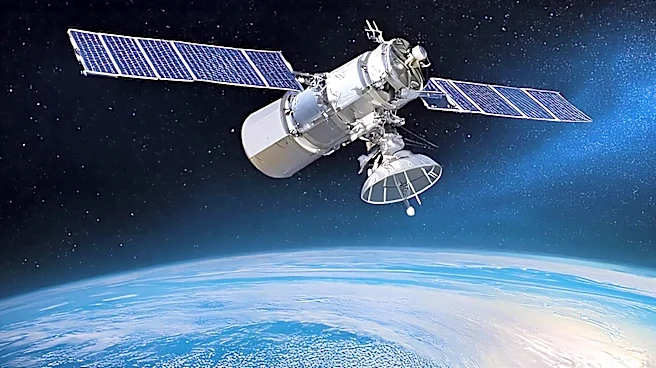
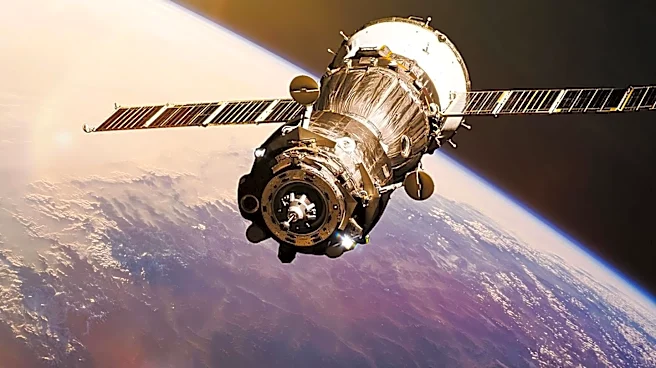
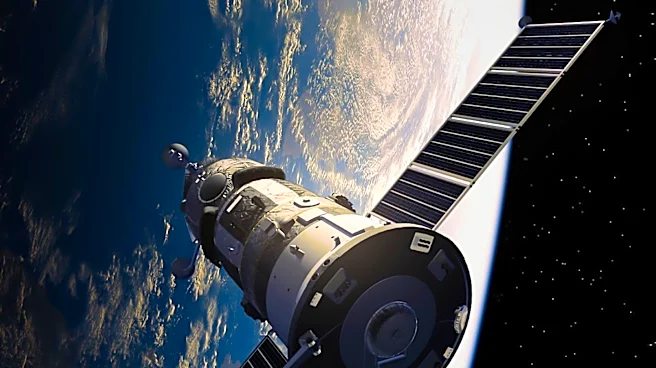
Launch Alliance Vulcan Centaur vehicle, the mission will now proceed as a rideshare sponsored by the United States Space Force’s Space Systems Command. The SunRISE mission consists of six small satellites, known as SmallSats, which will operate in formation slightly above geosynchronous orbit. These satellites will function as a large radio telescope to track solar radio bursts generated by energetic particle events in the Sun's atmosphere. These bursts can pose hazards to satellites and astronauts, and the mission aims to improve prediction and mitigation efforts. The SmallSats have been assembled and tested at Utah State University’s Space Dynamics Laboratory and will be stored until the launch date is confirmed.
Why It's Important?
The SunRISE mission is significant as it aims to enhance our understanding of solar radio bursts and their potential impact on space technology and human spaceflight. By tracking these bursts, the mission could lead to better prediction and mitigation strategies for solar particle events, which can damage satellites and pose risks to astronauts. This is particularly important as space agencies and private companies increase their activities in space, necessitating improved safety measures. The switch to a SpaceX Falcon Heavy rocket also highlights the growing role of commercial space companies in supporting NASA's missions, potentially leading to more cost-effective and flexible launch options. The mission is part of NASA's broader efforts under the Heliophysics Division to explore and understand the Sun's influence on the solar system.
What's Next?
NASA will announce the updated launch timing for the SunRISE mission in the near future. Once launched, the SmallSats will begin their mission to track solar radio bursts, providing valuable data to improve our understanding of solar energetic particles. The mission's success could pave the way for future collaborations between NASA and commercial space companies like SpaceX, further integrating private sector capabilities into national space exploration efforts. Additionally, the data collected by SunRISE could inform the development of new technologies and strategies to protect satellites and astronauts from solar radiation, enhancing the safety and reliability of future space missions.