






What's Happening?
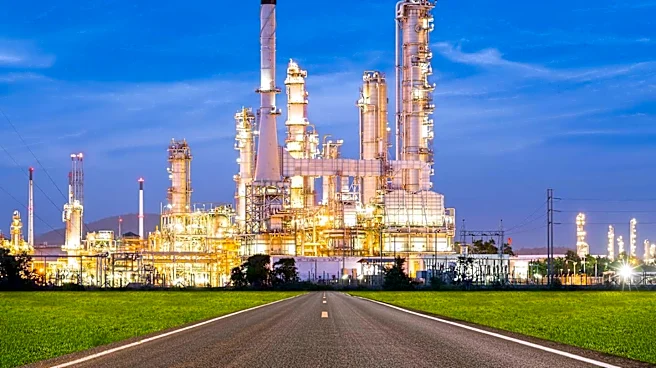
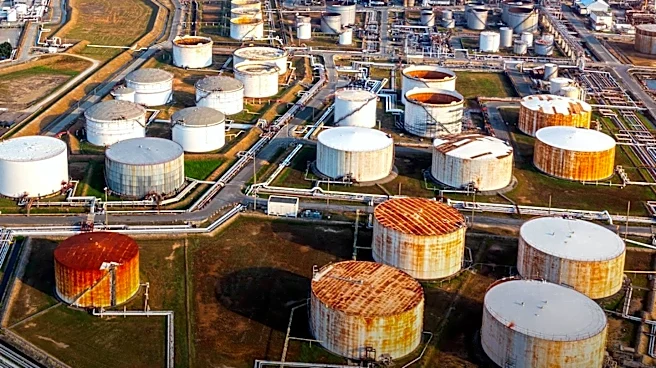
Ukraine has intensified its drone attacks on Russian oil refineries, targeting Gazprom's Neftekhim Salavat complex in the Urals. This attack caused a fire at the 200,000-barrel-per-day facility in Bashkortostan, approximately 750 miles east of Moscow.
The regional governor, Radiy Khabirov, confirmed that falling drone debris initiated the fire. This is part of a broader strategy by Ukraine to disrupt Russian oil revenue and tighten domestic fuel supplies. Another refinery, the Orsknefteorgsintez plant in the Orenburg region, has completely halted operations due to similar attacks, with repairs expected to take up to six months due to sanctions hindering equipment replacement. These strikes have led to gasoline shortages in Russia, prompting the country to import gasoline from India.
Why It's Important?
The ongoing drone strikes by Ukraine on Russian oil infrastructure are significant as they directly impact Russia's ability to export fuel, a critical component of its economy. The disruption of refinery operations has led to a decrease in available fuel supplies, forcing Russia to import gasoline, which is a rare move for the country. This situation highlights the vulnerability of Russia's energy sector amidst the conflict and could potentially weaken its economic position. The attacks also demonstrate Ukraine's strategic efforts to leverage its military capabilities to exert economic pressure on Russia, potentially influencing the broader geopolitical dynamics in the region.
What's Next?
The continued targeting of Russian oil infrastructure by Ukraine is likely to escalate tensions further. Russia may respond by increasing its military actions or seeking alternative ways to secure its energy supplies. The international community, particularly countries dependent on Russian energy exports, may also be affected by these developments, potentially leading to shifts in global energy markets. Additionally, the ongoing conflict could prompt further sanctions or diplomatic interventions aimed at de-escalating the situation.