





What's Happening?
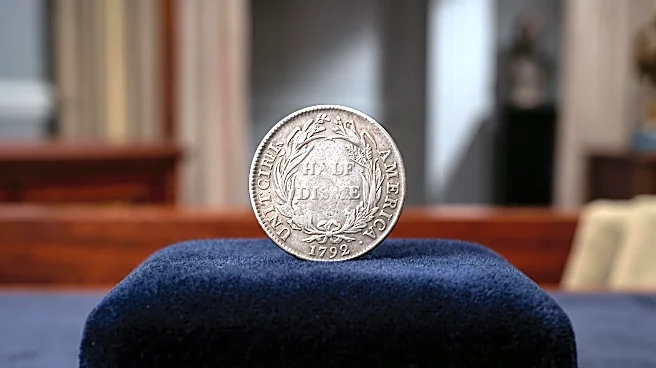
A 1792 Half Disme coin, graded PCGS MS68, was sold for a record $2,928,000 at Heritage Auctions' October 8–9 GACC U.S. Coins Signature Auction. This sale more than doubled the previous auction record for a half disme, which was $1.41 million set in 2013.
The coin is significant as it dates back to the early days of the United States Mint, established by the Coinage Act of April 2, 1792. Although the Mint's Philadelphia facility was not yet operational, these early half dismes were produced in the cellar of Philadelphia sawmaker John Harper. Secretary of State Thomas Jefferson recorded receiving 1,500 pieces on July 13, 1792, and President George Washington acknowledged this 'small beginning' in his November 6, 1792, address to Congress. The coin's exceptional preservation and historical importance contributed to its record-breaking price. The auction also featured other notable sales, including an 1867-S Liberty Head Half Eagle discovered in a Texas bedroom closet, which sold for $97,600, and a fragment of D.B. Cooper ransom money, which fetched $134,200.
Why It's Important?
This record-breaking sale underscores the significant value placed on rare American numismatic items, particularly those with direct ties to the nation's founding. The 1792 Half Disme represents a tangible link to the establishment of the U.S. federal monetary system and the early efforts of the U.S. Mint. Its high auction price highlights the strong demand among collectors for pieces that combine rarity, exceptional condition, and profound historical significance. The auction's overall success, generating over $19 million from U.S. coins and currency, indicates a robust market for historical artifacts. The discovery of previously unknown rare coins, like the 1867-S Half Eagle, also demonstrates that significant numismatic treasures can still emerge from private collections, potentially altering existing condition censuses and increasing market interest. The sale of the D.B. Cooper ransom money fragment illustrates how documented historical connections, even to criminal mysteries, can dramatically elevate the value of otherwise ordinary items, transforming them into extraordinary collectibles.
What's Next?
The continued interest in rare U.S. coins and currency suggests that future auctions will likely see strong bidding for historically significant and well-preserved items. Numismatic researchers and collectors will continue to study and verify the provenance and characteristics of these coins, as seen with the ongoing research into the 1792 Half Disme's traditional attribution. The market will likely remain attentive to new discoveries from private holdings, which can reshape understanding of coin rarity and condition. Heritage Auctions and similar institutions will continue to curate and present diverse collections that span various periods of American monetary history, catering to a wide range of collectors interested in both the monetary and historical value of these artifacts. The U.S. Mint is also planning to release a special commemorative 'Gettysburg Address Quarter' in 2026, which could further stimulate interest in historical coinage.
Beyond the Headlines
The sale of the 1792 Half Disme transcends its monetary value, serving as a powerful reminder of the nation's early struggles and aspirations in establishing a stable economic system. These historical coins are not merely currency but tangible records of the people, events, and technological limitations of their time. The story of the half disme, struck before the official Mint facility was ready, highlights the ingenuity and determination of the nascent federal government. Furthermore, the auction's inclusion of items like the D.B. Cooper ransom money fragment demonstrates how cultural narratives and unsolved mysteries can imbue objects with immense value, transforming them into artifacts of collective memory. This phenomenon underscores the broader human desire to connect with history through physical objects, making numismatics a field that intertwines economic value with cultural, historical, and even emotional significance.