





What's Happening?
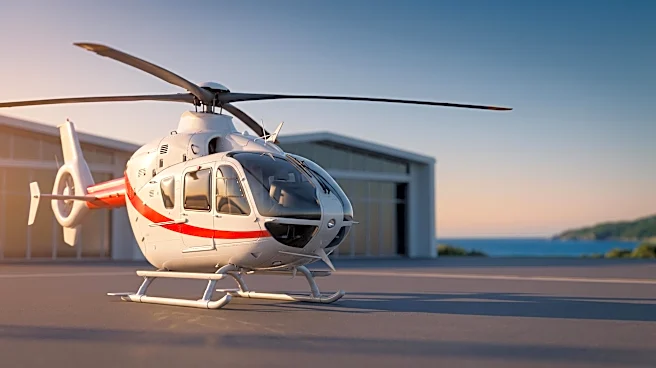
LifeFlight of Maine recently held an open-house event in Portland, Maine, bringing together its rescue crews and former patients. This gathering provided a unique opportunity for patients and their families to reconnect with the flight crews who provided critical
care during their emergencies. The event aimed to allow patients to express gratitude and for crew members to witness the recovery of individuals they had assisted. According to Brandon Mayo, a crew member, these reunions are deeply meaningful, as staff often encounter patients during the most challenging moments of their lives and rarely see their recovery. The event also served as a platform for people from across New England to learn more about LifeFlight's operations and show their support for the organization's mission. LifeFlight of Maine is a non-profit statewide organization that typically hosts such reunion events every three to five years.
Why It's Important?
This event highlights the significant emotional and psychological impact of emergency medical services on both patients and providers. For patients, the opportunity to reconnect with their rescuers can offer a sense of closure and a chance to express profound gratitude, which can be an important part of their healing process. For the LifeFlight crews, seeing patients recovered and thriving provides immense personal and professional satisfaction, reinforcing the value and impact of their life-saving work. This type of interaction can combat the emotional toll often experienced by first responders who frequently deal with traumatic situations without seeing the long-term positive outcomes. Furthermore, the public nature of the event helps to raise awareness and support for critical air medical transport services, which are vital for communities, especially in rural areas where access to specialized medical care might be limited. It underscores the human element of healthcare, emphasizing compassion and connection beyond immediate medical intervention.
What's Next?
LifeFlight of Maine is expected to continue its mission of providing critical air medical transport services across the state. While specific future events are not detailed, the organization typically holds these reunion events every three to five years, suggesting another gathering will likely occur in the coming years. These events will continue to foster connections between patients and crews, reinforcing community support and appreciation for emergency medical personnel. The organization may also use the positive publicity from such events to further its fundraising efforts and recruit new staff, given the rewarding nature of the work highlighted by these reunions. Additionally, the educational aspect of the open house, allowing attendees to learn about helicopter operations and ambulance functions, could lead to more public engagement and understanding of emergency medical services.
Beyond the Headlines
Beyond the immediate emotional benefits, events like LifeFlight's reunion underscore broader societal implications regarding healthcare and community well-being. They highlight the critical role of non-profit organizations in supplementing public health infrastructure, particularly in regions with geographical challenges. The personal stories shared at these events can serve as powerful testimonials, influencing public policy discussions around funding for emergency services, training for medical personnel, and access to advanced medical technologies. Ethically, these reunions reinforce the human connection in medicine, reminding us that healthcare is not just about procedures and protocols but also about empathy and the profound impact individuals have on each other's lives. Culturally, such gatherings foster a sense of community resilience and mutual support, demonstrating how collective efforts can overcome adversity and celebrate life.