



What's Happening?
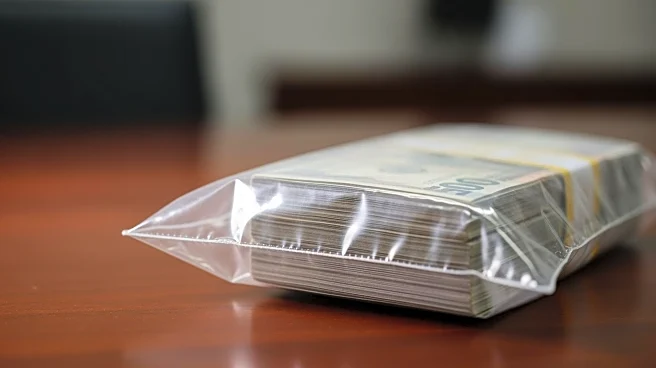
U.S. Customs and Border Protection (CBP) officials seized $70,737 in unreported currency from the Chinese-owned bulker Sheng Ning Hai during a routine inspection at the Port of Baltimore. The incident occurred on January 21 when CBP officers conducted
an enforcement boarding of the vessel. The ship's captain had previously reported $34,480 during a port call in Searsport, Maine, but failed to report an additional $40,000 received while in Maine. Under U.S. law, any currency over $10,000 must be reported using a U.S. Treasury Department form. The captain's failure to report the full amount led to the seizure of the cash. Despite the incident, the bulker was allowed to continue its journey to Mombasa.
Why It's Important?
This incident underscores the importance of compliance with U.S. financial reporting laws, particularly for foreign vessels entering American ports. The seizure highlights the vigilance of U.S. Customs in enforcing these regulations to prevent potential financial crimes. For international shipping companies, this serves as a reminder of the legal obligations when transporting large sums of money. The event also reflects the broader efforts by U.S. authorities to monitor and regulate financial activities at ports, which are critical points of entry for international trade. Non-compliance can lead to significant financial and operational consequences for shipping companies.
What's Next?
Following this incident, it is likely that U.S. Customs will continue to scrutinize foreign vessels arriving at American ports more closely. Shipping companies may need to review and reinforce their compliance protocols to avoid similar issues. The captain of the Sheng Ning Hai may face further investigation or penalties for failing to comply with U.S. reporting requirements. This incident could prompt other shipping companies to ensure their captains and crews are fully aware of and adhere to U.S. financial reporting laws to prevent future violations.