







What's Happening?
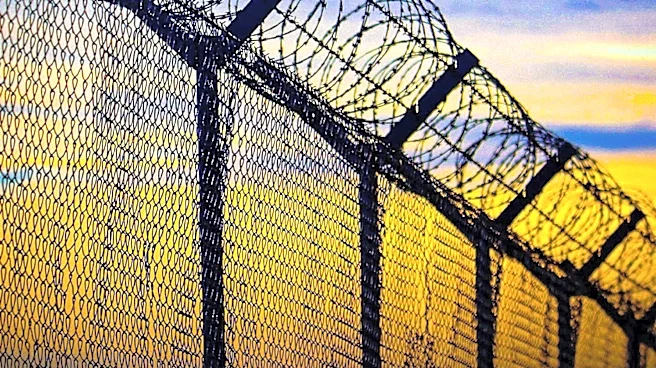
Bollinger County Sheriff Stash Petton has announced the closure of the Bollinger County Jail in Marble Hill, Missouri. The decision was made because the facility is no longer deemed fit or secure enough to house inmates for the extended periods currently
required by court proceedings. Sheriff Petton communicated the closure via a social media post on Tuesday afternoon. Following the closure, all inmates previously held at the Bollinger County Jail have been transferred to the Wayne County Jail in Greensville, Missouri. The Sheriff's department is in the process of contacting the emergency contacts of the transferred inmates to inform them of the move and the jail's closure. The primary reasons cited for the closure include aging utilities, an outdated construction plan, and an increasing inmate population.
Why It's Important?
The closure of the Bollinger County Jail has significant implications for the local justice system and public services in Bollinger County, Missouri. The immediate impact is the logistical challenge of transferring inmates and the financial burden of housing them in a neighboring county, which will likely incur costs for Bollinger County taxpayers. This situation also highlights a broader issue faced by many rural counties across the U.S. where aging infrastructure and limited resources struggle to keep pace with modern correctional standards and growing inmate populations. The closure could lead to increased travel times for legal counsel, family visits, and court appearances, potentially affecting inmates' rights and access to legal processes. Furthermore, while the Sheriff assures that other departmental services will not be affected, the long-term absence of a local jail could strain resources and operational efficiency for law enforcement in the county.
What's Next?
Following the closure, Bollinger County Commissioners are actively working to address the situation by exploring options for replacing the facility and securing the necessary funding. However, Sheriff Petton noted that the replacement process is expected to be lengthy. In the interim, inmates will continue to be housed at the Wayne County Jail. The Sheriff's Office will continue to operate, with deputies patrolling and responding to emergencies as usual. The community and stakeholders will likely monitor the progress of the commissioners in securing funding and developing plans for a new, suitable correctional facility. Public discussions and potential referendums on funding mechanisms for a new jail could also be anticipated as the county seeks a long-term solution to its correctional needs.
Beyond the Headlines
The closure of the Bollinger County Jail underscores a critical challenge facing many smaller, rural jurisdictions in the United States: maintaining adequate public infrastructure, particularly in the justice system. This event brings to light the tension between fiscal constraints and the constitutional obligation to provide safe and secure detention facilities. It also raises questions about the long-term sustainability of local correctional facilities in areas with limited tax bases and aging infrastructure. The reliance on neighboring counties for inmate housing can lead to increased costs, logistical complexities, and potential overcrowding in the receiving facilities. This situation could prompt broader discussions at the state level regarding funding mechanisms for county jails, regionalization of correctional services, or innovative solutions to address the needs of smaller communities. The ethical implications of inmate transfers, including access to family and legal representation, also become more pronounced in such scenarios, highlighting the need for comprehensive planning and support for local justice systems.