




What's Happening?
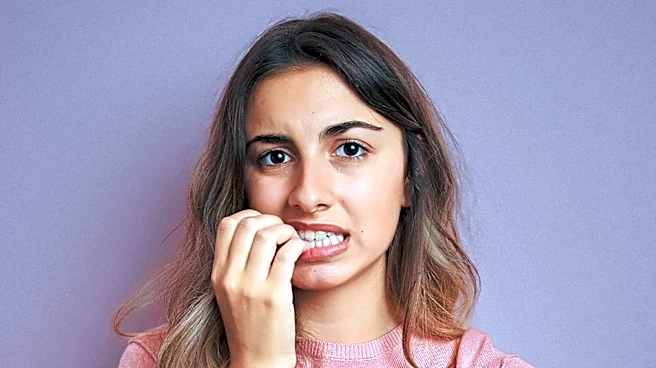
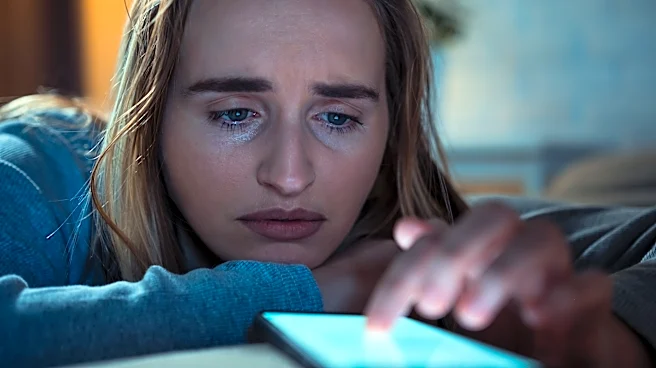
A growing trend among Generation Z involves consuming health-related content on TikTok, which often leads to increased anxiety and self-diagnosis of medical conditions. According to a survey by EduBirdie, nearly half of Gen Z users report feeling anxious
after viewing health content on the platform. This demographic, which is the first to grow up with social media, frequently encounters health advice that blurs the line between credible information and misinformation. The phenomenon, known as 'cyberchondria,' describes the anxiety induced by compulsively searching for medical information online. Influencers and peers on social media are increasingly becoming trusted sources for medical advice, sometimes more so than healthcare professionals. This shift is concerning as it can lead to misdiagnosis and unnecessary anxiety.
Why It's Important?
The reliance on social media for health information among Gen Z has significant implications for public health and the medical community. As this generation turns to platforms like TikTok for advice, there is a risk of spreading misinformation, which can lead to unnecessary medical consultations and strain on healthcare resources. The trend also highlights a growing distrust in traditional medical professionals, which could undermine public health efforts and lead to poor health outcomes. Additionally, the ease of access to potentially misleading information can exacerbate mental health issues, contributing to a cycle of anxiety and self-diagnosis without professional guidance.
What's Next?
Addressing the issue of cyberchondria and misinformation on social media requires a multi-faceted approach. Healthcare professionals and educators may need to engage more actively on platforms like TikTok to provide accurate information and counteract misinformation. There is also a need for improved digital literacy among young people to help them critically evaluate the content they consume. Policymakers might consider regulations to ensure that health-related content on social media is accurate and responsibly shared. Furthermore, fostering trust in healthcare professionals through better communication and accessibility could help mitigate the reliance on social media for medical advice.
Beyond the Headlines
The trend of self-diagnosis via social media raises ethical concerns about the responsibility of content creators and platforms in disseminating health information. There is a potential for financial incentives to drive the spread of misleading content, as creators may prioritize engagement over accuracy. This situation underscores the need for ethical guidelines and accountability for influencers who share health advice. Additionally, the cultural shift towards digital health information consumption may necessitate changes in how healthcare is delivered, with a greater emphasis on integrating digital tools and platforms into traditional healthcare systems.