
What's Happening?
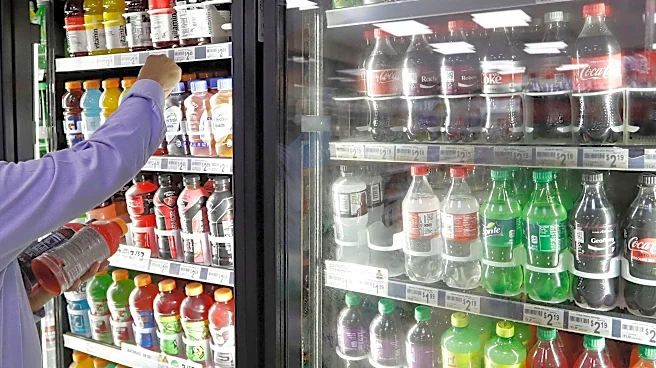
The Trump administration is set to announce changes to Biden-era Environmental Protection Agency (EPA) rules concerning refrigerants, aiming to reduce grocery costs. The changes involve extending deadlines
for phasing out hydrofluorocarbons (HFCs), which are potent greenhouse gases used in refrigeration. The administration argues that the previous rules imposed costly restrictions on businesses, limiting their choice of refrigeration systems. By allowing more flexibility, the administration estimates savings of $900 million, with $800 million directly benefiting grocery stores. This move is part of a broader deregulation agenda by the Trump administration, which has been repealing various environmental and climate rules from previous administrations.
Why It's Important?
This regulatory change is significant as it addresses the rising cost of living, a major concern for voters ahead of the November midterm elections. The administration's decision is positioned as a response to inflation, which has surged to 3.8% annually, partly due to increased oil costs from the U.S. conflict in Iran. By potentially lowering grocery prices, the administration aims to alleviate some of the financial pressures on American families. However, the environmental implications are contentious, as HFCs are known to contribute significantly to global warming. The rollback of these regulations may face criticism from environmental groups concerned about climate change.
What's Next?
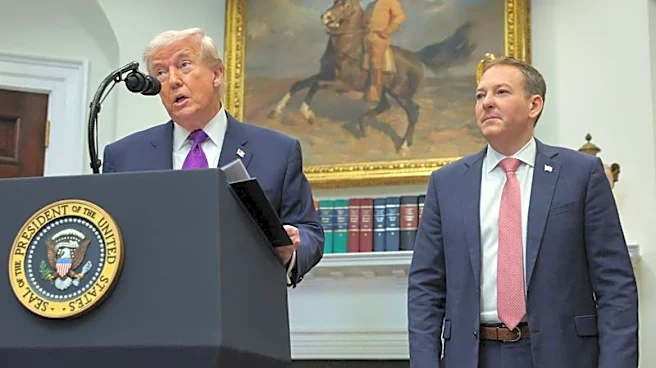
President Trump is scheduled to announce these changes at an Oval Office event, with executives from major grocery chains in attendance. The EPA is also proposing amendments to the 2024 Emissions Reduction and Reclamation program, which could lead to further savings. The political and public response to these changes will be crucial, especially from environmentalists and industry stakeholders. The effectiveness of these measures in reducing grocery prices will be closely monitored, as will their impact on the environment.