






What's Happening?
A former Democratic commissioner of the Equal Employment Opportunity Commission (EEOC), Jocelyn Samuels, has dropped her lawsuit challenging her dismissal by President Trump. This decision follows a recent Supreme Court ruling that expanded presidential
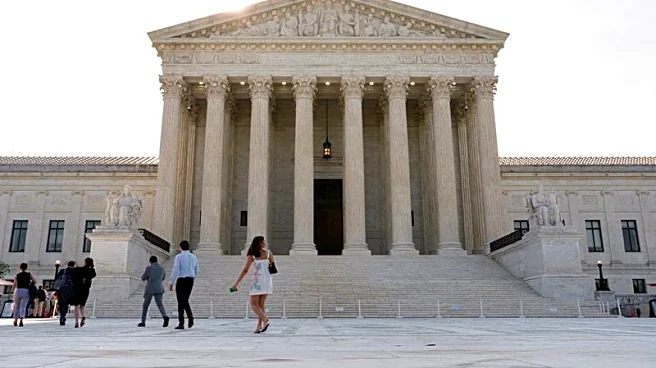
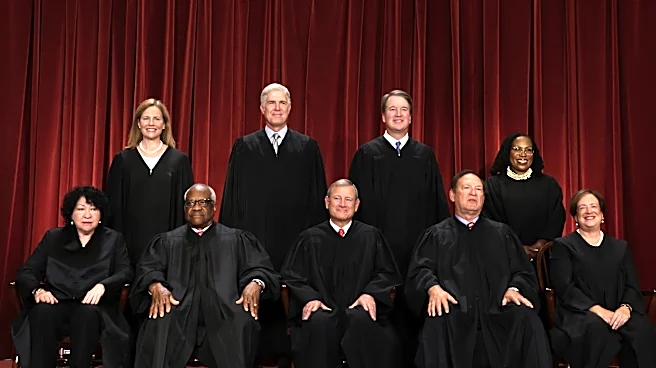
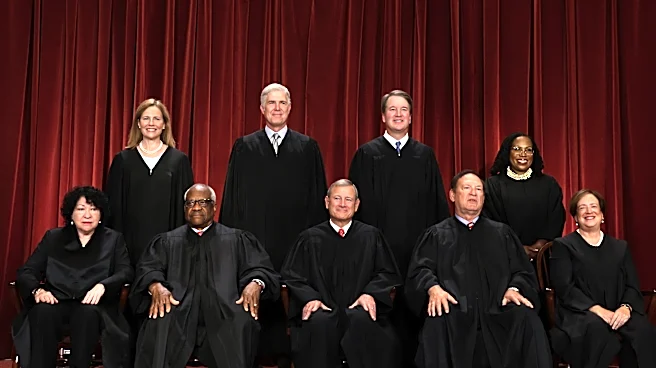
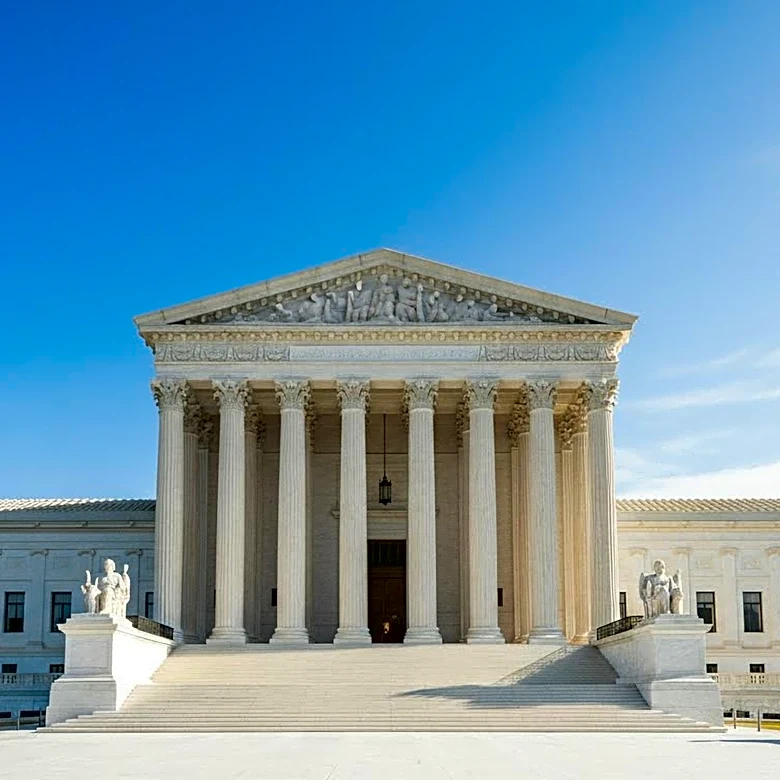
authority over independent agencies. The ruling allows the president to dismiss heads of independent agencies, except for the Federal Reserve, overturning a 91-year-old precedent. Samuels, who was dismissed alongside another Democrat, argued that the EEOC commissioners were meant to serve staggered terms to ensure stability and insulation from political pressure. However, the Supreme Court's decision left her without a viable path to contest her termination. The EEOC, now with a Republican majority, has moved forward with a regulatory agenda that includes ending the collection of workplace demographic data and rescinding guidelines on English-only workplace rules.
Why It's Important?
The Supreme Court's ruling significantly impacts the balance of power between the executive branch and independent agencies, potentially allowing for more direct presidential influence over agency operations. This could lead to shifts in how civil rights laws are enforced, as seen with the EEOC's new agenda under a Republican majority. The changes proposed by the EEOC, such as ending demographic data collection, could affect how discrimination is identified and addressed in the workplace. Critics argue that these moves weaken protections for workers and undermine efforts to promote diversity and inclusion. The decision also sets a precedent for future administrations to reshape independent agencies more easily, potentially altering the landscape of federal regulatory enforcement.
What's Next?
The EEOC's proposed changes will undergo a public commentary period before final approval. This process will likely involve significant debate and opposition from civil rights advocates and labor groups. The agency's actions may also prompt legislative responses or further legal challenges as stakeholders seek to protect existing civil rights frameworks. Additionally, the Supreme Court's ruling may encourage other independent agencies to reassess their structures and policies in light of increased presidential oversight. The broader implications for federal governance and agency independence will continue to unfold as the ruling's effects are felt across various sectors.