




What's Happening?
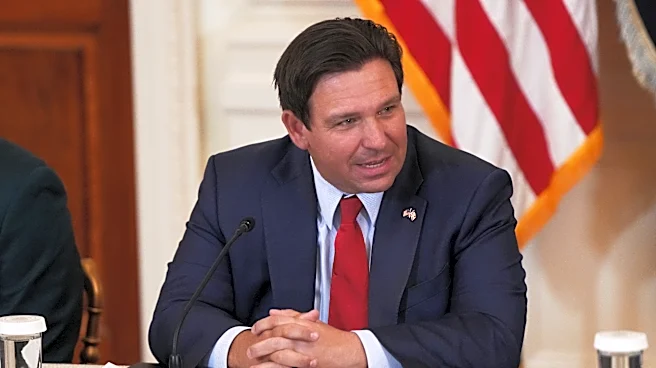
Florida Governor Ron DeSantis has announced the acceleration of a $56 million urban development project in Daytona Beach, with works on Clyde Morris Boulevard now expected to conclude two years ahead of schedule, by 2029. This project, which involves
a significant investment, aims to improve access to Embry-Riddle Aeronautical University and enhance safety and traffic flow for drivers, pedestrians, and cyclists. The planned works include constructing a pedestrian tunnel near the university entrance, adding a 14-foot-wide multi-use trail on the west side of Clyde Morris Boulevard, and 8-foot-wide sidewalks on the east side. Additionally, the project will involve installing pipes and filling an existing open canal near International Speedway Boulevard to create space for the new multi-use trail, building a pedestrian crossing at Buccaneer Way, improving road lighting, updating traffic lights, and enhancing drainage. The project is divided into three stages, covering different sections of Clyde Morris Boulevard.
Why It's Important?
This accelerated infrastructure project is significant for several reasons. Firstly, it directly addresses safety concerns and aims to improve the quality of life for residents, students, and visitors in Daytona Beach by enhancing pedestrian and cyclist safety and optimizing traffic circulation. Secondly, the project's focus on improving access to Embry-Riddle Aeronautical University highlights the state's commitment to supporting educational institutions and their role in technological advancement, particularly in Advanced Air Mobility (AAM). This investment reflects Florida's vision to alleviate congestion, strengthen the state's supply chain, and support efficient travel options. By completing the project ahead of schedule, the state aims to deliver essential community improvements more rapidly, benefiting a high-traffic pedestrian and tourist corridor.
What's Next?
The construction works are set to begin in the upcoming autumn and are now projected to be completed by 2029, two years earlier than initially planned. Governor DeSantis emphasized the benefits of AAM technology, which seeks new options for air taxis, cargo delivery, medical transport, and emergency response, indicating a broader strategic vision for Florida's transportation future. The state's investment in AAM reflects its commitment to exploring innovative transportation solutions. The Department of Transportation (FDOT) Secretary, Jared W. Perdu, noted that accelerating this project will bring essential safety improvements to a vital corridor for Volusia County, Daytona Beach, and the university. The ongoing collaboration between the university, the State of Florida, Volusia County, and the City of Daytona Beach is expected to continue, particularly in research and workforce development for AAM projects.
Beyond the Headlines
This project extends beyond mere road improvements; it signifies a strategic investment in Florida's future infrastructure and technological leadership. By enhancing access to a key aeronautical university, the state is indirectly fostering innovation and workforce development in emerging fields like Advanced Air Mobility. This forward-thinking approach could position Florida as a hub for future transportation technologies, attracting talent and investment. Furthermore, the emphasis on improving pedestrian and cyclist safety, alongside vehicular traffic, reflects a growing trend in urban planning towards more holistic and sustainable transportation solutions. The acceleration of such a large-scale project also demonstrates the state's capacity for efficient project management and its commitment to delivering tangible benefits to its communities in a timely manner.