




What's Happening?
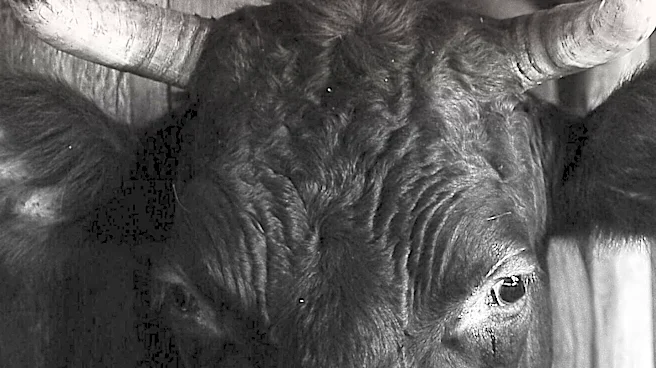
The U.S. Department of Agriculture (USDA) has released its latest cattle inventory report, indicating a slight increase in total cattle and calf inventories to 94.2 million head in 2026, up from 94.0 million in 2025. Despite this increase, the report highlights
that the growth in the U.S. cattle herd remains limited. The number of beef replacement heifers has risen by 3% to 3.8 million, suggesting some producers are retaining females for future breeding. However, this figure is still below the levels needed for a broad herd expansion. Drought conditions continue to impact producer decisions, making large-scale rebuilding challenging. The beef cow inventory has declined by about 200,000 head to 28.45 million, and the projected 2026 calf crop is down 2% from 2025, which could lead to further declines in future beef production.
Why It's Important?
The limited growth in the U.S. cattle herd has significant implications for the beef industry and market prices. With fewer cattle available, beef production may decrease, potentially leading to higher beef prices for consumers. The ongoing drought conditions exacerbate the situation, as they hinder the ability of producers to expand their herds. This scenario could affect the profitability of cattle producers and impact the broader agricultural economy. Additionally, the tight cattle supply may influence market dynamics, including the potential reopening of the southern U.S. border for feeder cattle imports, which could alter market sentiment and supply chains.
What's Next?
The USDA's report suggests that cattle supplies will remain tight, and attention is shifting to the potential reopening of the southern U.S. border for feeder cattle imports. This move could help alleviate some supply constraints and stabilize market conditions. Producers and industry stakeholders will likely monitor weather patterns closely, as improved conditions could facilitate herd expansion. Additionally, market participants may focus on policy developments and trade agreements that could impact cattle imports and exports.