






What's Happening?
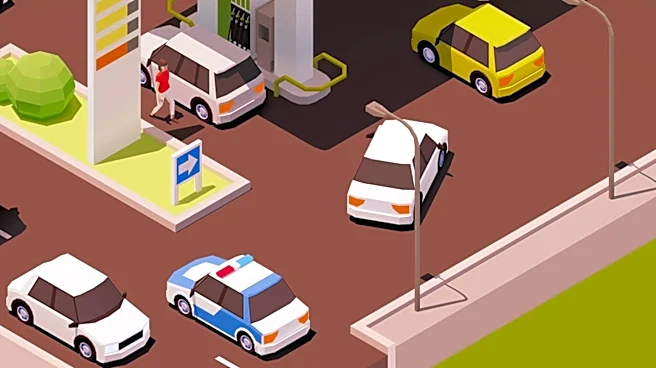
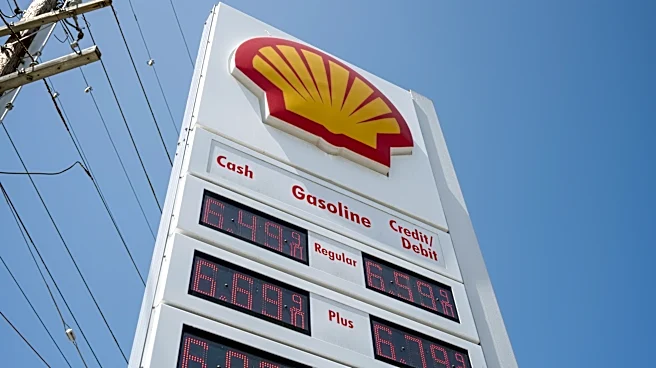
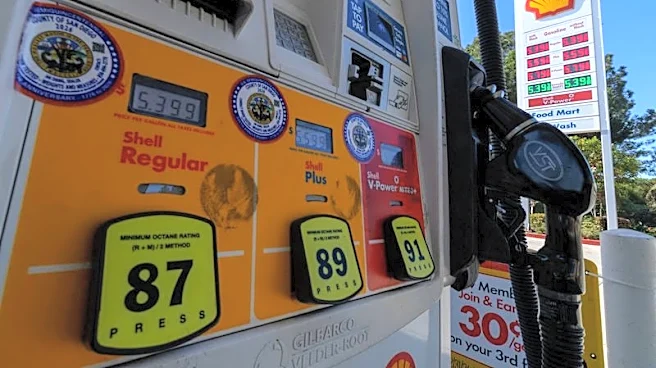
California has increased its gas tax by 2.2 cents per gallon, bringing the total to 63.4 cents per gallon, as part of the Road Repair and Accountability Act of 2017. This adjustment is tied to inflation and is part of a broader trend where multiple states
are raising gas taxes. Washington has also increased its gas tax from 55.4 cents to 56.5 cents per gallon, with further increases planned. Maryland and New Jersey have implemented similar tax hikes, with New Jersey planning gradual increases until 2029. These changes come as gas prices remain significantly higher than earlier in the year, affecting consumers across the country.
Why It's Important?
The increase in gas taxes across several states highlights the ongoing challenges of funding infrastructure projects amid rising costs. These tax hikes are intended to support road maintenance and construction, but they also place additional financial burdens on consumers, particularly those with long commutes or multiple vehicles. The timing of these increases, coinciding with high gas prices, may lead to public discontent and could influence future policy decisions. For state governments, these taxes are crucial for maintaining and improving transportation infrastructure, but they must balance this need with the economic impact on residents.
What's Next?
As states continue to adjust gas taxes in response to inflation and infrastructure needs, further increases may be expected in the coming years. Stakeholders, including policymakers and consumer advocacy groups, will likely monitor the economic impact of these taxes closely. Public response and potential political pressure could influence future legislative actions regarding transportation funding. Additionally, states that have not yet implemented similar measures may consider doing so, depending on the success and public reception of these tax increases in other regions.