







What's Happening?
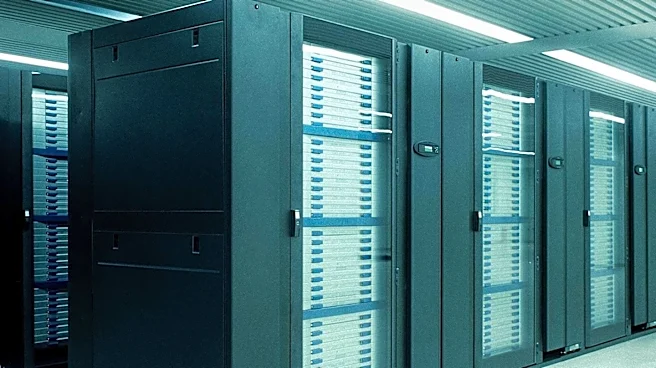
The United States is projected to experience a substantial power shortage exceeding 170 gigawatts (GW) by 2030, primarily driven by the escalating electricity demands of artificial intelligence (AI) servers. This anticipated 'power famine' is exacerbated
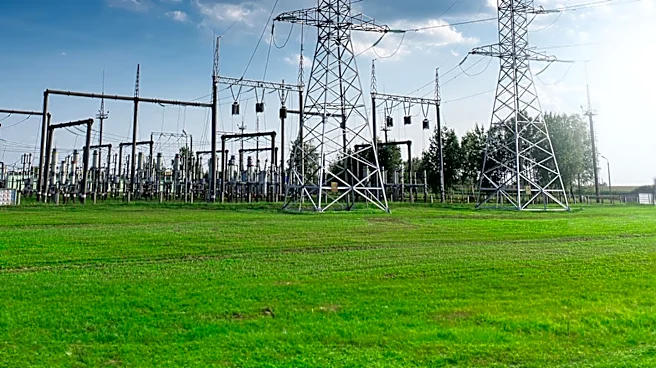
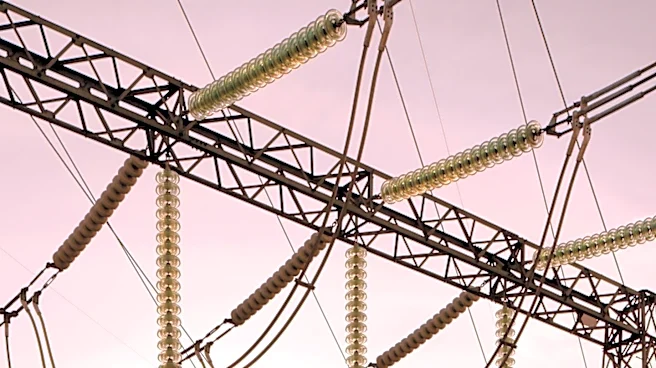
by the slow pace of grid infrastructure development and the outdated nature of existing equipment. While data centers, which house AI servers, can be constructed relatively quickly (1 to 3 years), the expansion and permitting of ultra-high-voltage grids require a much longer timeframe, typically 5 to 15 years. Furthermore, over 70% of the U.S.'s ultra-high-voltage transformers have surpassed their operational lifespan of 30 to 40 years, contributing to the vulnerability of the power supply. The global data center power demand is expected to reach 490.7 GW by 2030, with the grid's maximum supply capacity estimated at only 222.6 GW, creating a worldwide supply-demand gap of 268 GW.
Why It's Important?
This looming power deficit poses a critical challenge to the U.S. economy and its technological advancement. The inability to meet the energy demands of AI servers could hinder innovation, limit the growth of tech companies, and potentially lead to increased operational costs or even service disruptions. The reliance on outdated infrastructure also presents reliability and security risks for the national power grid. The situation creates a significant opportunity for power equipment manufacturers, particularly those with advanced technology and rapid delivery capabilities, as global big tech companies and power utilities seek solutions. The U.S. will need to invest heavily in modernizing its grid and accelerating the development of new power generation and transmission facilities to avoid a severe economic and technological bottleneck.
What's Next?
In response to the anticipated power shortage, big tech firms are increasingly adopting 'on-site self-generation' by constructing their own power facilities. There is also a shift towards ultra-high-voltage direct current (HVDC) transmission and 800V direct current (DC) architectures to minimize power loss. Global power companies, including Hitachi and Siemens Energy, foresee this power infrastructure boom continuing through at least 2035, indicating a sustained period of investment and development in the sector. The U.S. will likely see increased efforts to streamline permitting processes for grid expansion and incentivize the replacement of aging transformers. The demand for advanced power equipment and solutions is expected to remain high, driving innovation and competition among manufacturers.
Beyond the Headlines
The impending power famine highlights a broader societal challenge: the rapid technological advancement of AI is outpacing the foundational infrastructure required to support it. This imbalance could lead to a re-evaluation of energy consumption models for data centers and a push for more energy-efficient AI technologies. It also underscores the critical need for long-term strategic planning in infrastructure development, as the lead times for such projects are significantly longer than the development cycles of new technologies. The situation could also spur greater collaboration between the public and private sectors to address these complex infrastructure challenges, potentially leading to new regulatory frameworks and investment models to ensure a stable and sufficient power supply for future technological growth.