




What's Happening?
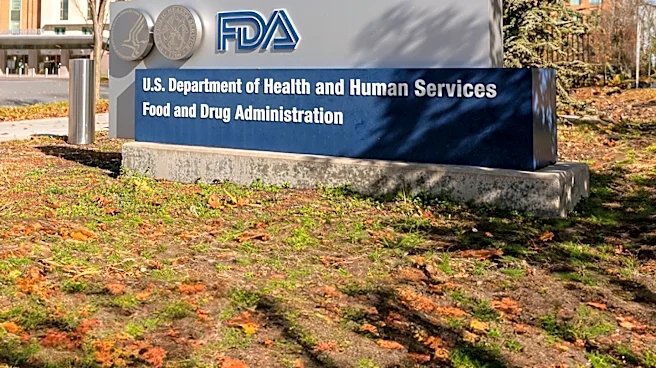
The U.S. Food and Drug Administration (FDA) is under scrutiny for its proposed rule regarding chemicals classified as 'generally recognized as safe' (GRAS) in food. Critics argue that the proposed rule fails to adequately close a loophole that allows
manufacturers to introduce substances into the food supply without rigorous safety reviews or full disclosure. An estimated 1,000 chemicals have been determined GRAS by manufacturers since 1958 and are used in food without FDA approval or review. While the Federal Food, Drug, and Cosmetic Act (FFDCA) requires premarket review for food additives, it exempts substances 'generally recognized as safe' by qualified experts. This exemption was intended for common ingredients like salt, but its implementation has been criticized by various groups, including the U.S. Government Accountability Office (GAO) and Consumer Reports, for not requiring scientific support for GRAS determinations or even notification to the FDA. The public comment period on the GRAS proposed rule is open until December 9, 2026.
Why It's Important?
The ongoing debate over the GRAS loophole has significant implications for public health and consumer safety in the U.S. The current system, which allows manufacturers to self-determine the safety of food additives without mandatory FDA oversight, raises concerns about the potential long-term health effects of undisclosed chemicals in food products. Consumer Reports found that some products contain levels of additives exceeding accepted safety thresholds, posing increased health risks over a lifetime. The lack of transparency and enforcement mechanisms in the proposed rule means that consumers may unknowingly be exposed to substances that have not undergone independent safety assessments. This situation could erode public trust in food safety regulations and place a greater burden on individuals to research the ingredients in their food.
What's Next?
The public comment period for the FDA's proposed GRAS rule is open until December 9, 2026. Following this period, the FDA will review the feedback and potentially revise the rule. Critics are urging the FDA to modify the proposed rule to ensure that mandatory safety data determination covers all existing and new GRAS substances, require notification and safety determinations before substances are allowed on the market, mandate premarket evaluation of GRAS substances, and strengthen enforcement by considering food adulterated if a GRAS notice is not submitted. The outcome of this process will determine the future regulatory landscape for food additives and could significantly impact both food manufacturers and consumers.
Beyond the Headlines
The controversy surrounding the GRAS loophole highlights a broader tension between regulatory oversight and industry self-regulation. The original intent of the GRAS exemption was to streamline the approval process for clearly safe substances, but its current application has led to a system where a substantial number of chemicals enter the food supply with minimal external scrutiny. This raises ethical questions about corporate responsibility in ensuring product safety and the government's role in protecting public health. The push for more stringent regulations reflects a growing public demand for greater transparency and accountability in the food industry, potentially leading to a re-evaluation of how food additives are approved and monitored in the U.S.