




What's Happening?
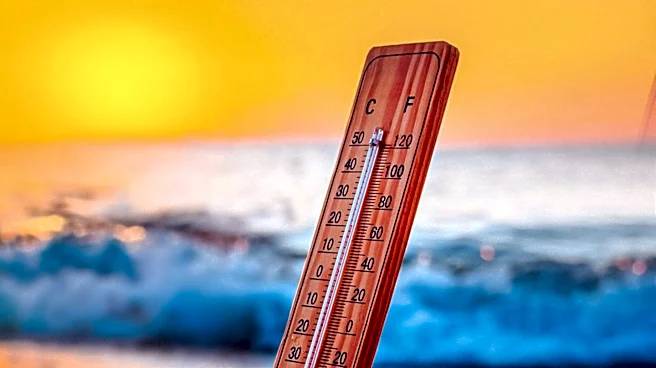
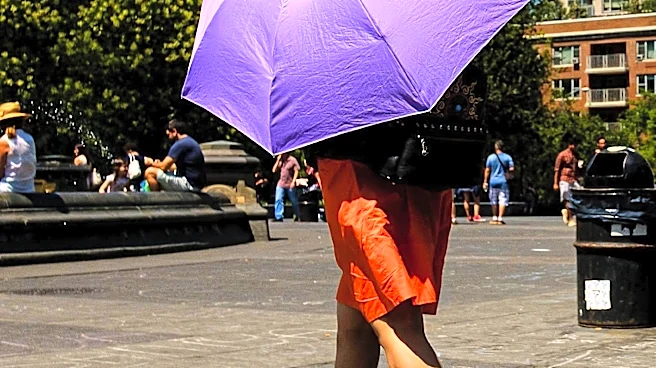
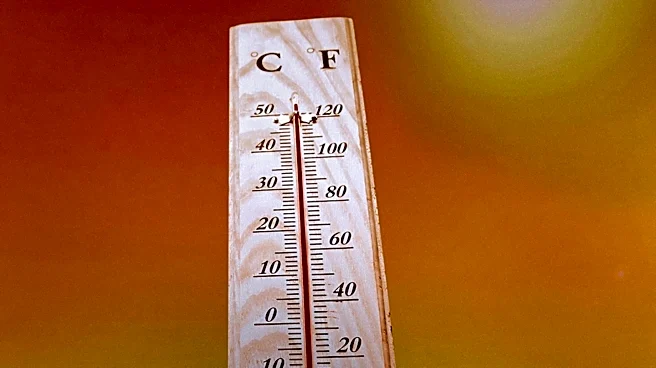
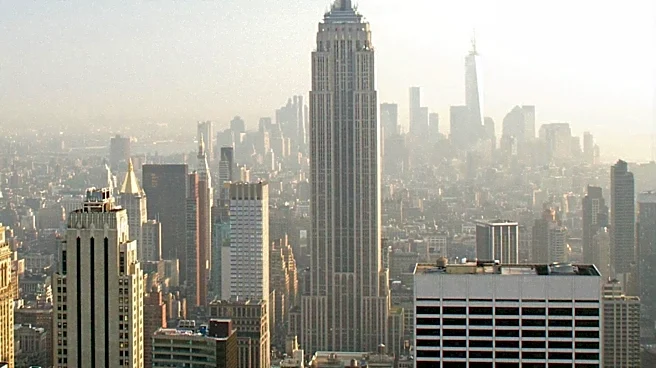
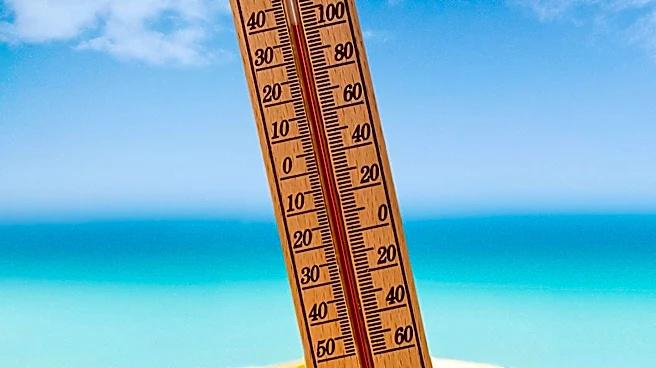
New York City is currently experiencing a severe heat wave, with temperatures expected to exceed 90 degrees and a heat index surpassing 100 degrees. This extreme weather is part of a broader trend of rising temperatures that have led to nearly 500 premature
deaths annually in the city. These deaths predominantly affect lower-income neighborhoods and communities of color. City officials have issued an extreme heat warning and are urging residents to stay indoors and check on vulnerable neighbors. Measures such as expanding pool hours and using buses as cooling centers are being implemented to mitigate the impact. The National Weather Service has highlighted the dangerous conditions, and experts like Radley Horton from Columbia University emphasize the increasing frequency and intensity of such heat events.
Why It's Important?
The rising heat-related deaths in New York City underscore the broader public health and infrastructure challenges posed by climate change. Extreme heat is the leading weather-related cause of death in the U.S., highlighting the urgent need for adaptive measures in urban planning and public health strategies. Vulnerable populations, including those without access to air conditioning, are at heightened risk, exacerbating existing social inequalities. The strain on energy grids and public services during such heat waves also points to the need for sustainable solutions to manage increased demand and protect public health.
What's Next?
City officials are likely to continue expanding emergency measures to protect residents, such as increasing the availability of cooling centers and public awareness campaigns about heat safety. Long-term, there may be increased pressure on policymakers to invest in infrastructure improvements and climate resilience strategies. This could include enhancing green spaces, improving building designs to reduce heat retention, and ensuring equitable access to cooling resources. The ongoing situation may also prompt further research and policy discussions on addressing the impacts of climate change on urban environments.