






What's Happening?
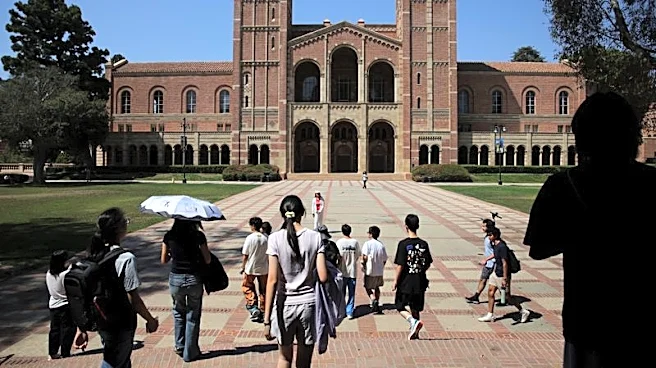
The U.S. Department of Homeland Security has ceased the renewal of Special Student Relief (SSR) for students from 14 countries experiencing humanitarian, economic, or political crises. This program, which temporarily suspends certain visa rules, allows
affected students to work off-campus and take reduced course loads due to financial and emotional hardships. The last remaining country under this designation, Lebanon, is set to lose its status later this month amidst ongoing conflict with Israel and Hezbollah. The SSR program has historically provided critical support to students from countries like Afghanistan, Somalia, and Ukraine, enabling them to manage tuition costs and support their families. The decision to end these benefits marks a significant policy shift, as extensions were typically routine and published quietly in the Federal Register.
Why It's Important?
The termination of SSR could have profound impacts on international students in the U.S., particularly those from crisis-stricken regions. These students often rely on the program to sustain their education and provide financial support to their families back home. The decision may lead to increased financial strain and potential disruptions in their academic pursuits. Additionally, the move reflects broader immigration policy changes under the Trump administration, which has also sought to end Temporary Protected Status for certain groups. The cessation of SSR could discourage future international students from enrolling in U.S. institutions, potentially affecting university revenues and cultural diversity on campuses.
What's Next?
The future of SSR for Lebanese students remains uncertain, as the Department of Homeland Security has not confirmed whether their status will be extended. Advocacy groups, such as the Presidents’ Alliance on Higher Education and Immigration, are urging the administration and Congress to reinstate the program. Colleges and universities may need to step up support for affected students through emergency funds and other resources. The broader implications of this policy change could prompt further legal and political challenges, similar to those seen with the Temporary Protected Status program.