





What's Happening?
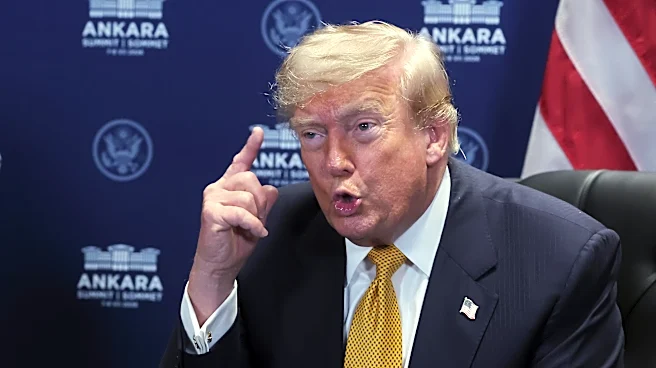
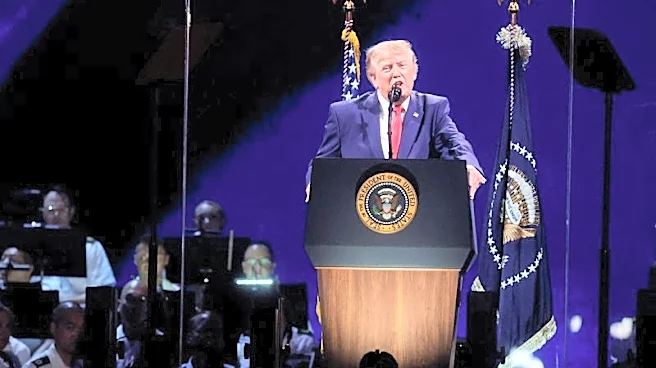
President Trump has been navigating a complex diplomatic landscape regarding the ongoing conflict between Russia and Ukraine. His approach has been marked by fluctuating allegiances and rhetoric. At times, Trump has expressed frustration with Ukrainian
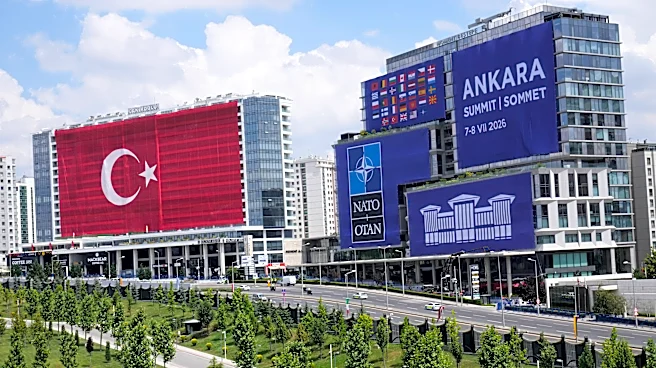
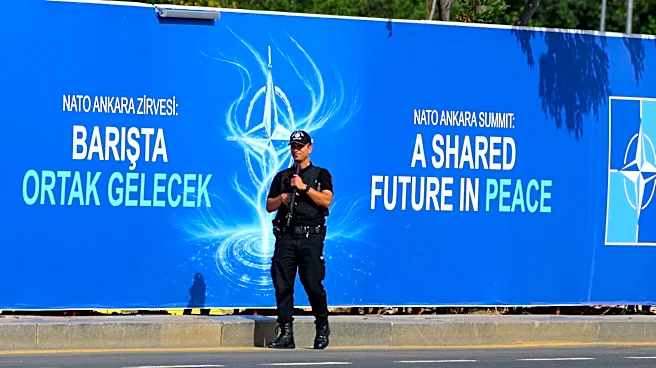
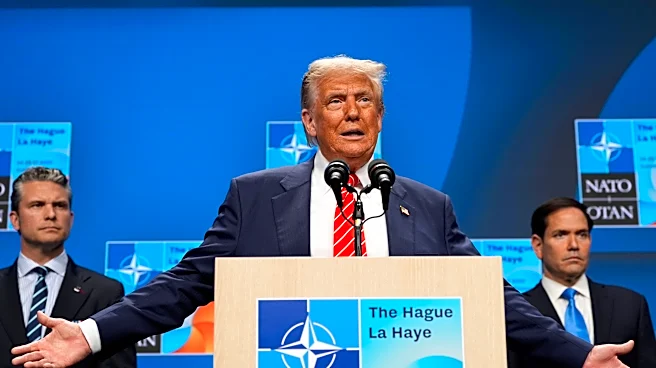
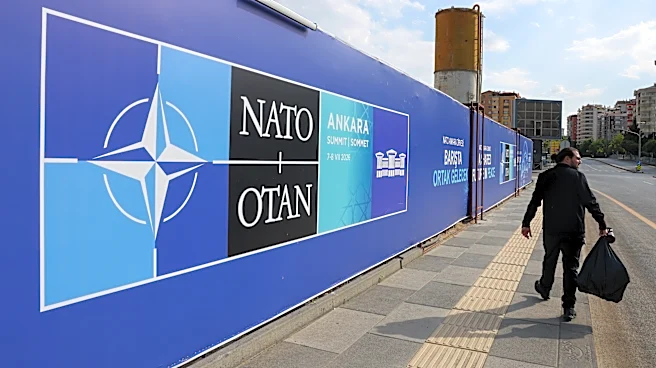
President Volodymyr Zelensky, accusing him of being ungrateful and unwilling to compromise. Conversely, Trump has also shown disappointment with Russian President Vladimir Putin, whom he once believed would be amenable to a peace deal due to their previously close relationship. European officials have been closely monitoring Trump's stance, aiming to maintain his support for Ukraine despite his occasional alignment with Russian narratives. A significant development is Trump's upcoming face-to-face meeting with Zelensky at a NATO summit in Turkey, following a lengthy phone conversation with Putin.
Why It's Important?
The shifting dynamics in President Trump's approach to the Russia-Ukraine conflict have significant implications for international diplomacy and U.S. foreign policy. Trump's fluctuating stance could influence the level of U.S. support for Ukraine, potentially affecting military aid and diplomatic backing. The meeting with Zelensky at the NATO summit is crucial as it may redefine U.S. involvement in the conflict and impact NATO's collective strategy. European leaders are particularly invested in ensuring Trump's continued support for Ukraine, as it plays a critical role in their broader efforts to counter Russian aggression. The outcome of these diplomatic engagements could alter the balance of power in Eastern Europe and affect global geopolitical stability.
What's Next?
The upcoming NATO summit in Turkey, where President Trump will meet with President Zelensky, is expected to be a pivotal moment in the ongoing diplomatic efforts to resolve the Russia-Ukraine conflict. The meeting could lead to new strategies or commitments from the U.S. and its allies. Additionally, Trump's recent conversation with Putin suggests that further negotiations or diplomatic maneuvers may be on the horizon. The international community will be watching closely to see if these discussions result in tangible steps toward peace or if they exacerbate existing tensions. The reactions from major stakeholders, including European nations and NATO members, will be critical in shaping the next phase of the conflict.