





What's Happening?
Research from the Organisation for Economic Co-operation and Development (OECD) Sahel and West Africa Club (SWAC) highlights a significant transformation in food consumption patterns across West Africa. Urbanization, economic growth, and changing lifestyles
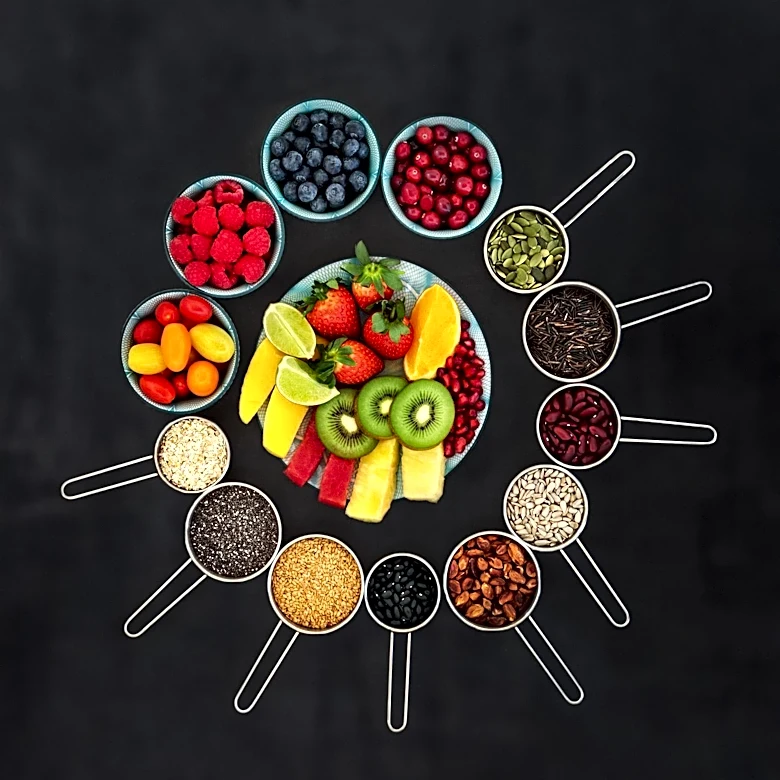
are leading to more diverse diets and an increased demand for a wider variety of foods. Consumers are increasingly exposed to processed foods and new food outlets like supermarkets and street vendors. While the consumption of unhealthy and ultra-processed foods remains relatively low, it is growing, particularly in countries such as Côte d’Ivoire and Nigeria. This shift necessitates a fundamental adaptation within the agricultural sector to meet these evolving demands. For instance, evidence from Mali shows fruit consumption doubled and vegetable consumption increased between 2015 and 2019, reflecting a broader trend towards greater dietary diversity. However, access to diverse and nutritious foods remains limited for many households, and healthy diets are often financially out of reach.
Why It's Important?
This dietary evolution presents both challenges and opportunities for the West African agricultural sector and broader food systems. The increasing demand for diverse foods, including fruits, vegetables, legumes, and animal-source foods, offers opportunities to diversify agricultural production and strengthen connections between farmers and consumer markets. However, the current food systems face significant constraints, including limited dietary diversity, particularly among women and young children, and inadequate consumption of nutrient-rich foods. The affordability of healthy diets is a major barrier, with a healthy diet costing 3.6 times more than an energy-sufficient diet in West Africa. This situation underscores the need for resilient agricultural systems that can provide a wider range of crops while maintaining yields and profitability. Strengthening soil health, nutrient management, market connectivity, and infrastructure are crucial to support these changes.
What's Next?
To address the evolving dietary landscape, the agricultural sector must enhance farmers' tools and resilience, improve market connections, and support regional trade and infrastructure. Farmers require better access to seeds, fertilizer, water, agronomic knowledge, finance, and market information. Producers of perishable foods also need improved storage, processing, and transport infrastructure to deliver products to market while preserving quality and value. Regional trade is identified as a key mechanism to move food across seasons and borders, expanding availability and smoothing seasonal shortages. Policymakers and businesses will need better data to understand changing demand, production, and food flows. The region has an opportunity to proactively shape its food transition by expanding access to nutritious foods and preserving existing strengths, rather than merely reacting to the increasing consumption of processed foods.
Beyond the Headlines
The shift in West African diets extends beyond a mere nutrition issue; it is a systemic food system challenge with profound implications for public health, economic development, and environmental sustainability. The increasing exposure to processed foods, while currently low, signals a potential future public health crisis if not managed effectively. The affordability gap for healthy diets highlights deep-seated socio-economic inequalities, where access to nutritious food is dictated by purchasing power. Furthermore, the need for agricultural adaptation underscores the intricate link between food production, market dynamics, and consumer behavior. This transition also presents an ethical imperative to ensure that economic growth translates into improved food security and nutrition for all segments of the population, particularly vulnerable groups. The long-term success will depend on integrated approaches that consider the entire food value chain, from farm to fork, and prioritize both economic viability and public well-being.