







What's Happening?
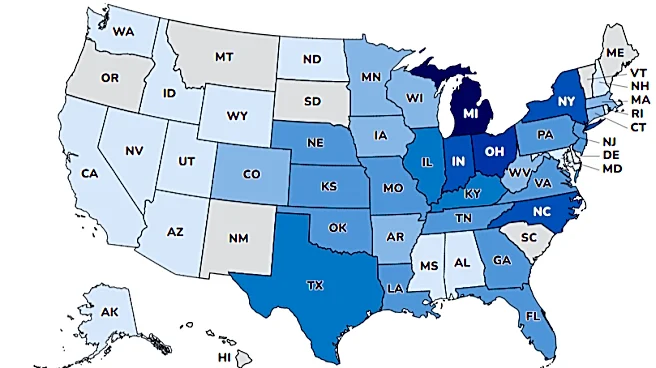
Federal health officials are currently investigating an outbreak of the diarrhea-causing parasite cyclospora, which has affected 72 individuals as of Wednesday. The Food and Drug Administration (FDA) has not yet identified the specific products linked
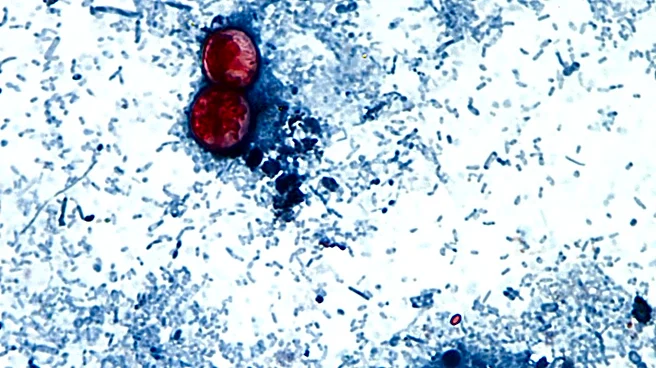
to these illnesses, nor have they disclosed the locations of the cases. The Department of Health and Human Services stated that this is an active investigation, with officials working to determine the exact cause of the illnesses within this cluster. Cyclospora is a microscopic parasite that typically infects food that has been in contact with human feces, often through contaminated water used for irrigation or washing produce. The Centers for Disease Control and Prevention (CDC) notes that ingestion of the parasite can lead to intestinal illness characterized by frequent and sometimes explosive bowel movements.
Why It's Important?
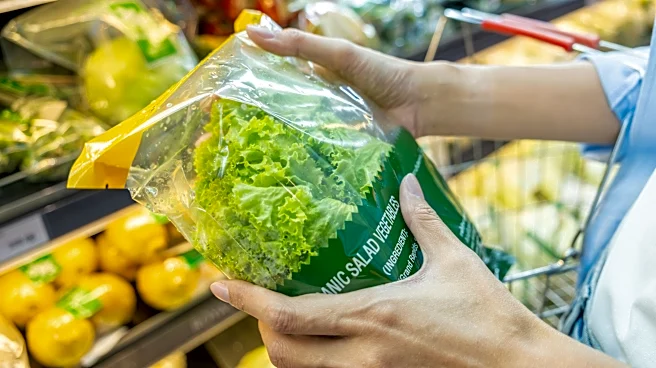
The outbreak of cyclospora is significant as it highlights ongoing challenges in food safety and public health. The inability to quickly identify the source of the outbreak underscores the complexities involved in tracing foodborne illnesses. This situation could impact consumer confidence in produce safety, particularly as the FDA continues to focus on lettuce from Taylor Farms in relation to a separate multistate outbreak. The investigation's outcome may lead to changes in food safety regulations and practices, potentially affecting agricultural businesses and food distributors. Public health officials emphasize the importance of proper food handling and cooking practices to prevent infection, which could lead to increased awareness and changes in consumer behavior.
What's Next?
As the investigation progresses, federal and state health authorities are expected to continue tracing the source of the cyclospora outbreak. This may involve further testing of food products and water sources to identify contamination points. If a specific product is identified, recalls and public advisories may be issued to prevent further cases. The situation may prompt discussions among policymakers and industry leaders about improving food safety standards and practices. Additionally, public health campaigns may be launched to educate consumers on safe food handling and preparation techniques.