
What's Happening?
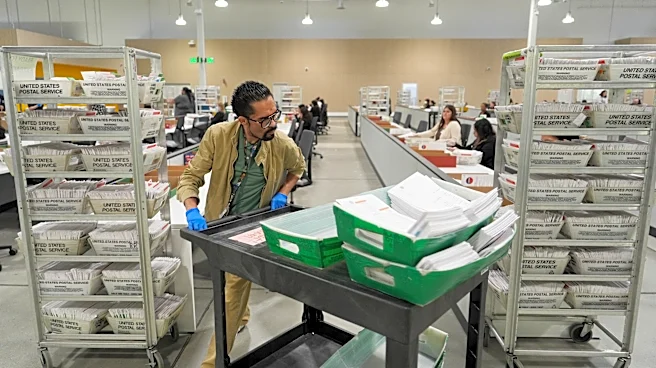
Nearly 150,000 mail ballots were rejected in California's June primary election, marking a significant increase from previous years. The primary reason for the rejections was late-arriving ballots, which accounted for over 93,000 of the rejected votes.
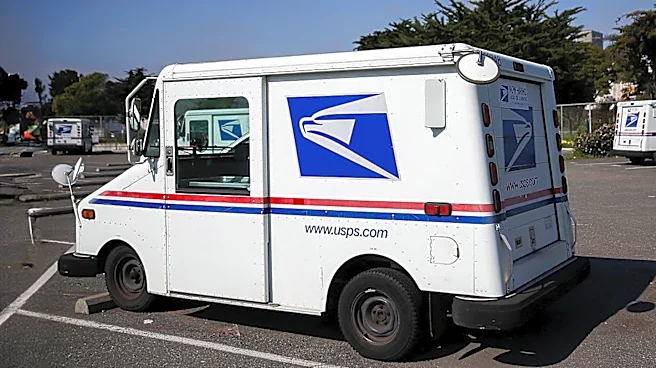
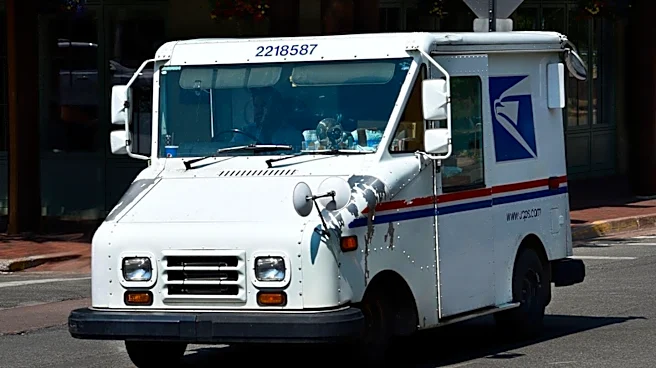
Changes in U.S. Postal Service operations, including the timing of postmarks, are suspected to have contributed to the delays. Despite efforts to make voting more accessible, such as allowing ballots to be counted if postmarked by Election Day, the rejection rate has raised concerns about the effectiveness of these measures.
Why It's Important?
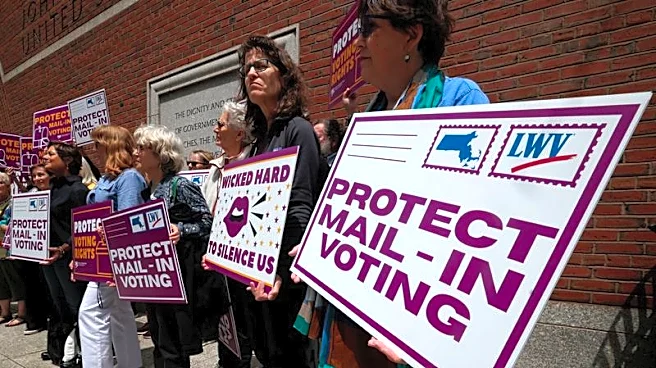
The high rejection rate of mail ballots in California highlights challenges in the voting process, particularly with mail-in voting. The issue underscores the importance of reliable postal services in ensuring that all votes are counted, especially in a state with a large population and complex electoral processes. The situation raises questions about the impact of postal service changes on election outcomes and voter participation. It also emphasizes the need for continued efforts to address logistical challenges in mail-in voting to ensure that all eligible votes are counted.
What's Next?
In response to the high rejection rate, there may be calls for further investigation into the causes of the delays and potential reforms to improve the mail-in voting process. Lawmakers and election officials may consider additional measures to ensure timely delivery and processing of ballots in future elections. The situation could also prompt discussions about the role of the U.S. Postal Service in elections and the need for policies that support efficient and reliable mail services. As the general election approaches, ensuring the integrity and accessibility of the voting process will be a priority for stakeholders.