



What's Happening?
The New South Wales (NSW) government in Australia has announced a halt on accepting new coal mine applications as part of its strategy to achieve net-zero emissions. This decision, however, does not affect existing coal mining operations or the expansion
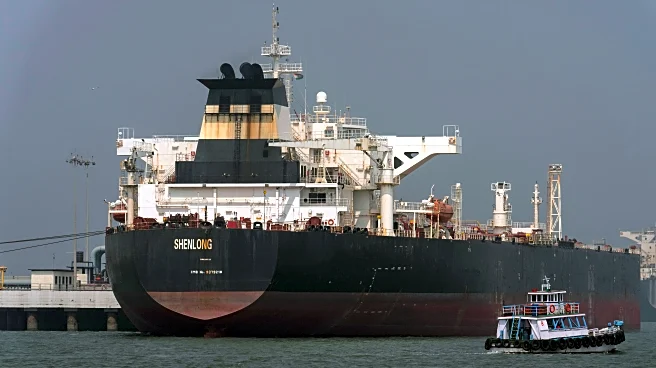
of current projects. The state aims to reduce methane emissions from ongoing projects and has introduced regulations to support this goal. Coal remains a significant export for NSW, generating approximately A$33 billion annually, with major exports to countries like China, Japan, and Taiwan. The government has outlined a strategic plan, NSW Coal Industry 2026-50, which includes evaluating expansion applications for existing sites under strict environmental and emissions standards. The Environmental Protection Authority (EPA) will enforce these standards, requiring coal producers to lower on-site emissions using established abatement technologies.
Why It's Important?
This move by the NSW government is significant as it reflects a growing global trend towards reducing reliance on fossil fuels and addressing climate change. By halting new coal mine applications, NSW is taking a proactive step in aligning with international environmental commitments and reducing its carbon footprint. This decision could impact the coal industry, which is a major economic contributor to the state, and may lead to shifts in employment and economic activities in coal-dependent regions. The establishment of a Future Jobs and Investment Authority aims to facilitate the transition of workers into new roles, ensuring economic stability and development in these areas. The focus on reducing methane emissions is crucial, as coal mining is a major source of fossil methane emissions, contributing significantly to the state's greenhouse gas emissions.
What's Next?
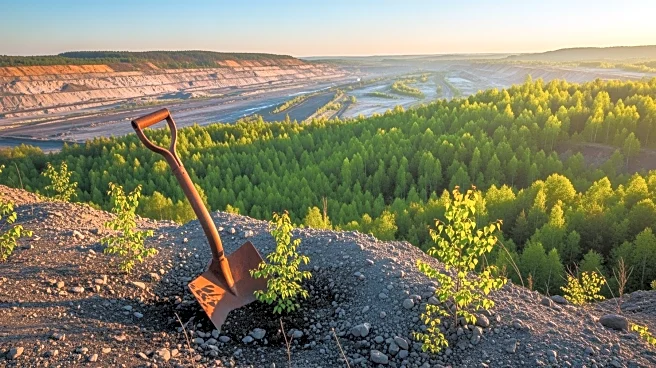
The NSW government plans to continue supporting existing coal production while implementing stringent regulations for future developments. The Future Jobs and Investment Authority, currently under parliamentary review, will play a key role in transitioning the workforce and repurposing coal mining infrastructure for new investments and job creation. The EPA's mandate for miners to capture, treat, or convert methane gas will require significant adjustments in mining operations. Large mines will need to drain or flare gas from seams, and old mines with methane leaks must be resealed. These measures are expected to contribute to the state's emissions reduction objectives and support the transition to a more sustainable energy future.
Beyond the Headlines
The decision to halt new coal mine applications in NSW highlights the ethical and environmental responsibilities of governments in addressing climate change. It underscores the need for balancing economic interests with environmental sustainability. The transition away from coal could lead to long-term shifts in energy production and consumption patterns, influencing global energy markets. Additionally, the focus on methane emissions reduction could set a precedent for other regions and industries to adopt similar measures, potentially leading to broader regulatory changes and innovations in emissions control technologies.