

What's Happening?
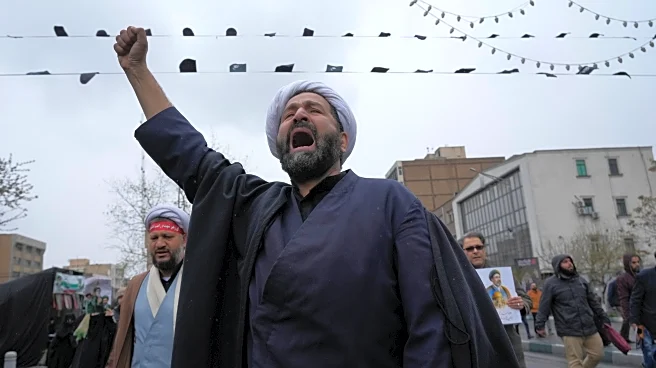
U.S. Secretary of Defense Pete Hegseth has claimed that Iran's new Supreme Leader, Mojtaba Khamenei, has been wounded and likely disfigured in U.S.-Israeli attacks. This statement follows Khamenei's first public address, which was delivered in writing
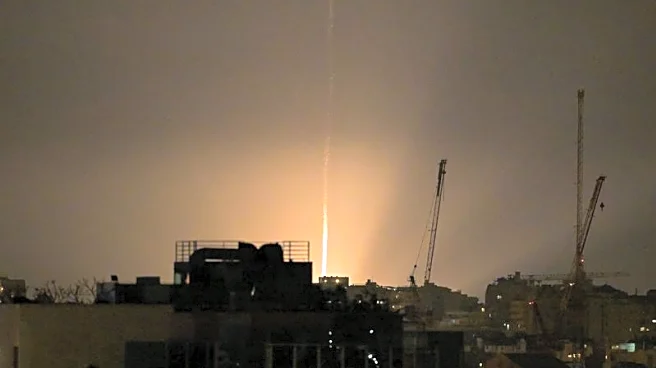
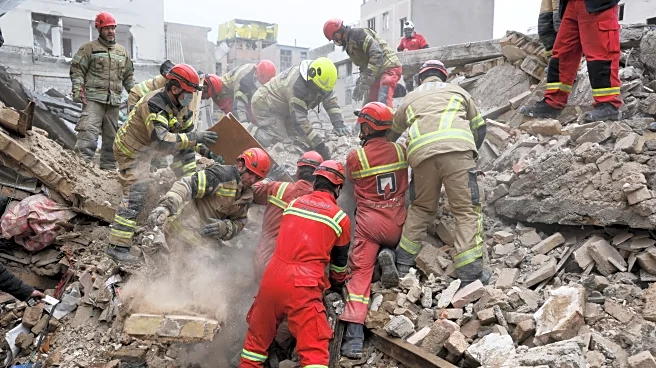
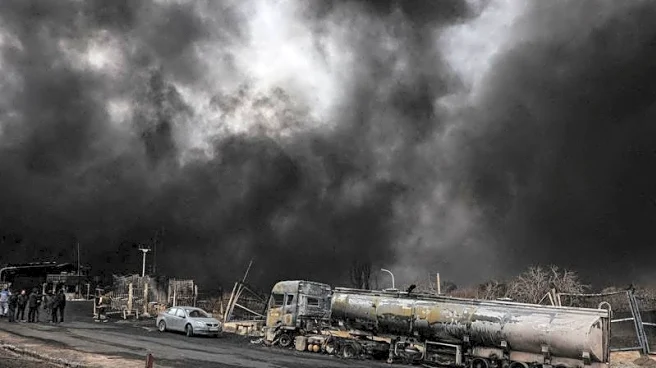
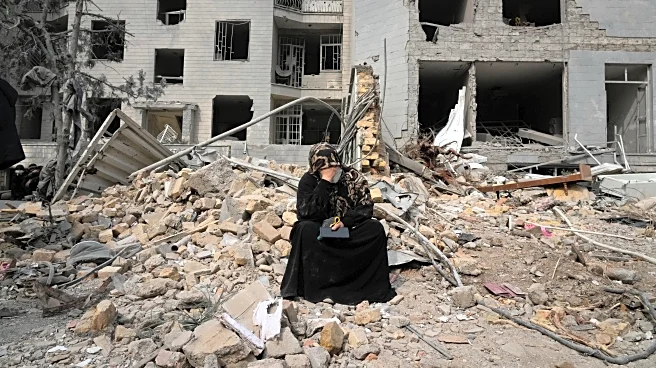
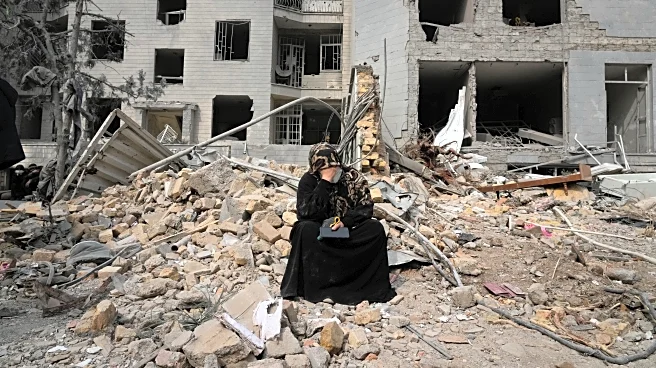
and read on Iranian state TV. The Pentagon has not provided evidence for these claims, and Iran has not confirmed Khamenei's condition. The conflict has resulted in significant casualties, with Iran reporting over 1,400 deaths and thousands of injuries. The U.S. and Israel have targeted Iranian military and nuclear sites, while Iran claims civilian areas have been hit.
Why It's Important?
The alleged injury of Iran's Supreme Leader could have profound implications for the country's leadership and its ability to respond to ongoing military actions. The U.S. and Israel's military strategy aims to weaken Iran's military capabilities, but the conflict has also led to significant civilian casualties, raising humanitarian concerns. The situation could further strain U.S.-Iran relations and impact regional stability, particularly if Iran retaliates or escalates its military actions.
What's Next?
The international community will be watching for Iran's next moves, especially any military responses or diplomatic efforts to de-escalate the situation. The U.S. and its allies may also consider additional sanctions or military actions depending on Iran's actions. The humanitarian impact of the conflict will likely draw attention from global human rights organizations.