







What's Happening?
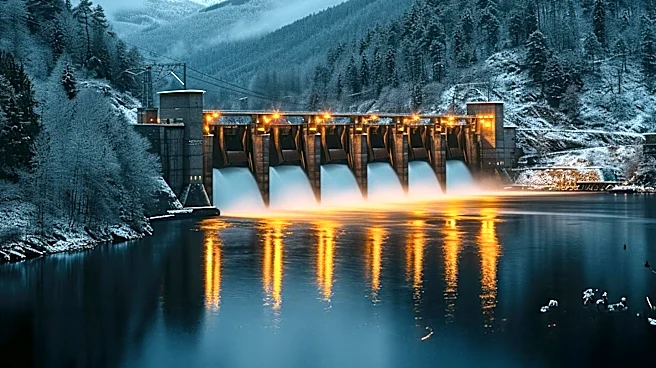
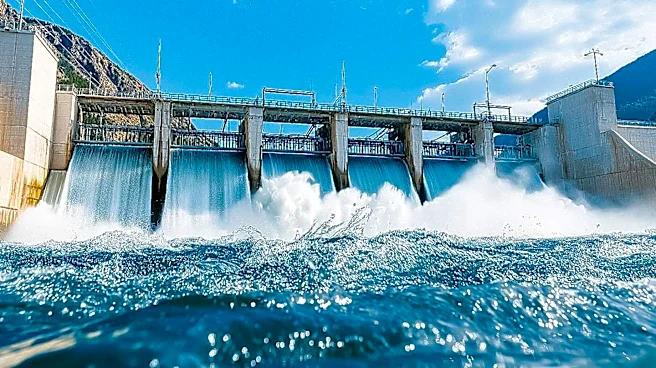
Congressman Cliff Bentz (R-OR) has introduced the Hydropower Licensing Affordability Act (H.R. 9337) in the House of Representatives. This legislation aims to make hydropower projects more affordable by simplifying and reducing the cost of federal licensing
conditions. The bill is a companion to a Senate bill introduced by Senators Lisa Murkowski, Steve Daines, and Jim Risch. The proposed legislation seeks to reform the Federal Power Act by limiting mandatory conditions for hydropower licenses to those directly related to the adverse effects of the project. The bill addresses concerns that current licensing conditions are overly complex, expensive, and often unrelated to the project's direct impacts, contributing to a decline in domestic hydropower production.
Why It's Important?
The introduction of this bill is significant as it addresses the challenges faced by the hydropower industry in the United States. With 40% of the nation's hydropower licenses up for renewal by 2030, the current licensing process is seen as a barrier to maintaining and expanding this renewable energy source. By reducing unnecessary costs and delays, the bill aims to provide greater regulatory certainty and help keep electricity affordable and reliable. This could benefit energy consumers, particularly in states like Alaska, where hydropower is a key source of renewable energy. The bill also highlights the need for federal agencies to support reforms that bolster domestic hydropower production.
What's Next?
If passed, the Hydropower Licensing Affordability Act would require federal agencies to limit mandatory conditions to those addressing direct project effects and ensure conditions are backed by the best available science. The bill's progress through Congress will be closely watched by stakeholders in the energy sector, including the American Public Power Association and the National Rural Electric Cooperative Association, who have expressed support for the legislation. The outcome of this legislative effort could set a precedent for future energy policy reforms aimed at streamlining regulatory processes for renewable energy projects.