



What's Happening?
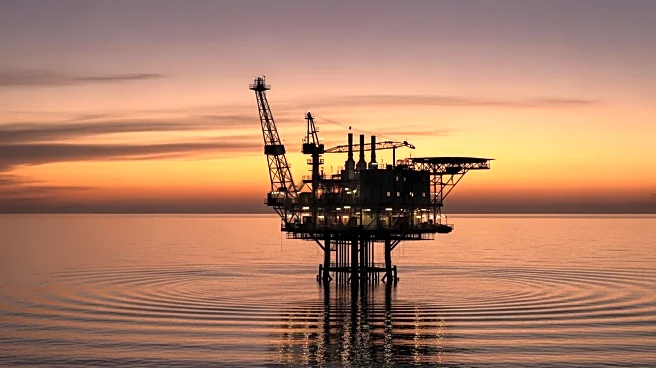
Equinor, a leading energy company, has forecasted a 10% to 20% decline in oil production at its Johan Sverdrup field in 2026. This field has been a major source of European oil supply growth over the past decade. The anticipated decline comes as Equinor's
CEO, Anders Opedal, announced during a media briefing that the company has managed to maintain elevated output levels longer than expected. Despite efforts to optimize production through new wells and other methods, the decline is now imminent. The field's exports averaged 712,000 barrels per day last year.
Why It's Important?
The projected decline in production at the Johan Sverdrup field signals potential challenges for global oil markets, which may struggle to meet consumption demands in the coming years. This development underscores the need for significant investment in oil and gas exploration to offset declines in aging fields. The International Energy Agency has emphasized the necessity of spending $540 billion annually to address these challenges. Equinor's situation reflects broader industry trends and highlights the importance of strategic planning and investment to ensure energy security.
What's Next?
As Equinor works to mitigate the production decline, the company may explore additional investment opportunities and technological innovations to enhance output. The anticipated reduction in supply could influence global oil prices and market dynamics, prompting responses from other energy producers and stakeholders. Policymakers and industry leaders may need to consider strategies to address potential supply shortages and ensure stable energy markets.