





What's Happening?
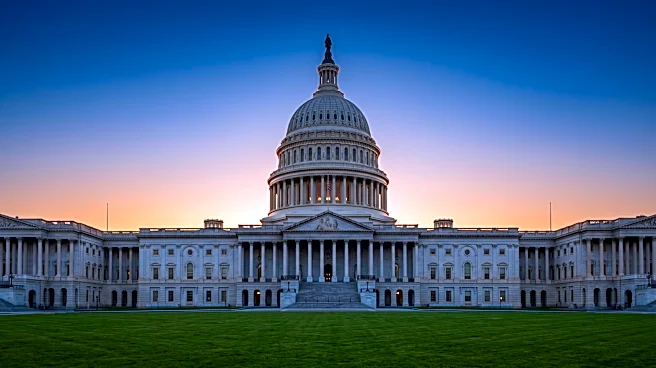
Congressman Tim Walberg (MI-05), alongside several other representatives including Tom Barrett (MI-07), Hillary Scholten (MI-03), Bill Huizenga (MI-04), Debbie Dingell (MI-06), Haley Stevens (MI-11), Marcy Kaptur (OH-09), and Dave Joyce (OH-14), has co-introduced
the Regional Great Lakes Partnership Act. This bipartisan, bicameral bill aims to enhance federal support for Great Lakes research and conservation. The legislation proposes to designate the Great Lakes Commission (GLC) as the official Regional Great Lakes Partnership within the National Oceanic and Atmospheric Administration’s (NOAA) Regional Ocean Partnerships Program. This designation is intended to ensure that the Great Lakes region receives a fair share of program funding, thereby providing federal resources to support the GLC's ongoing work in coordinating Great Lakes research and conservation initiatives. Congressman Walberg emphasized that the Great Lakes are central to Michigan's economy, identity, and long-term prosperity, and that the bill will strengthen the research and conservation efforts needed to protect this vital resource.
Why It's Important?
The introduction of the Regional Great Lakes Partnership Act is significant for the environmental and economic well-being of the Great Lakes region. By formally recognizing the Great Lakes Commission within NOAA's program, the legislation aims to secure dedicated federal funding, which is crucial for sustaining long-term conservation and research efforts. The Great Lakes, as the largest freshwater system in the world, are a critical resource for the eight U.S. states and two Canadian provinces that comprise the Great Lakes Basin. Enhanced federal support will enable more effective management of water quality, protection of diverse ecosystems, and mitigation of environmental threats. Economically, the health of the Great Lakes directly impacts industries such as tourism, fishing, and shipping, making this legislation vital for regional prosperity. The bipartisan nature of the bill also underscores a broad consensus among lawmakers regarding the importance of protecting this shared natural asset, potentially leading to more stable and consistent policy implementation.
What's Next?
The Regional Great Lakes Partnership Act, having been introduced in both the House and Senate, will now proceed through the legislative process. Companion legislation, introduced in the Senate by U.S. Senators Gary Peters (D-MI) and Bernie Moreno (R-OH), has already advanced through the Senate Commerce, Science, and Transportation Committee. This indicates a strong bipartisan momentum for the bill. The next steps will involve committee hearings, potential amendments, and votes in both chambers of Congress. If passed, the legislation would lead to the formal designation of the Great Lakes Commission as a Regional Great Lakes Partnership, unlocking federal funding and strengthening coordinated efforts for research and conservation. Stakeholders, including environmental groups, state agencies, and local communities, will likely continue to advocate for its passage, highlighting the critical need for sustained federal investment in the Great Lakes.
Beyond the Headlines
This legislative effort reflects a broader recognition of the unique challenges and immense value of freshwater ecosystems, particularly in comparison to coastal ocean environments. Historically, federal programs have often prioritized ocean-centric initiatives, leaving freshwater bodies like the Great Lakes with less dedicated funding. The Regional Great Lakes Partnership Act seeks to rectify this imbalance by ensuring that the Great Lakes receive equitable federal support. This move could set a precedent for how other large inland water systems are managed and funded in the future, promoting a more holistic approach to national water resource protection. Furthermore, the collaborative, bipartisan nature of this bill highlights the potential for environmental issues to transcend political divides, fostering cooperation on shared natural heritage. It also underscores the importance of regional commissions like the Great Lakes Commission in coordinating efforts across multiple jurisdictions to address complex environmental challenges effectively.