






What's Happening?
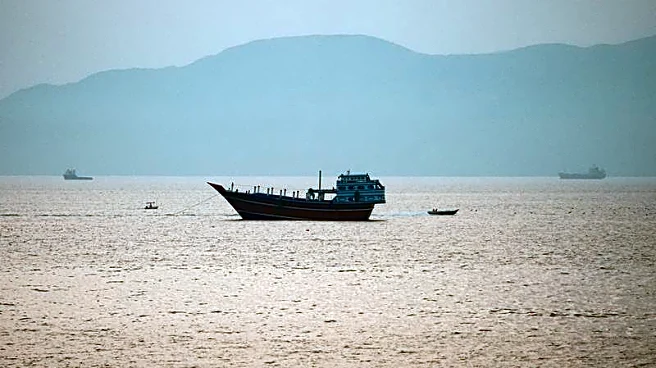
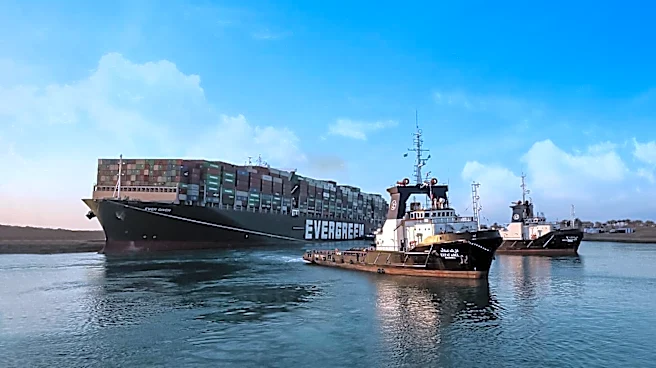
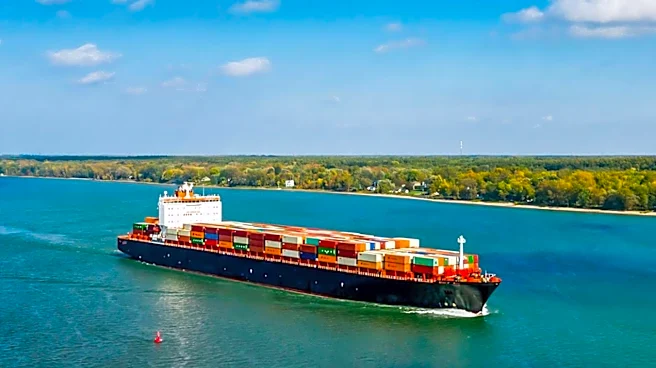
Three oil tankers carrying Saudi crude for China and India have made U-turns in the Red Sea, opting to head towards the Suez Canal instead of navigating the Yemeni coast. This decision follows a warning from Yemen's Iran-aligned Houthi militia, which
declared a naval blockade against Saudi Arabia. The Houthis have threatened to target ships loading or discharging cargo at Saudi ports. This development poses a potential disruption to global energy markets, already strained by the closure of the Strait of Hormuz. The rerouting of tankers could lead to increased shipping times and costs.
Why It's Important?
The rerouting of oil tankers in response to the Houthi warning highlights the geopolitical tensions affecting global energy supply chains. The potential blockade of a major shipping route could exacerbate existing challenges in the energy market, leading to increased prices and supply disruptions. The situation underscores the vulnerability of global trade routes to regional conflicts and the importance of securing alternative pathways for energy transportation. The rise in war risk insurance costs further reflects the heightened risk environment for shipping companies operating in the region.