






What's Happening?
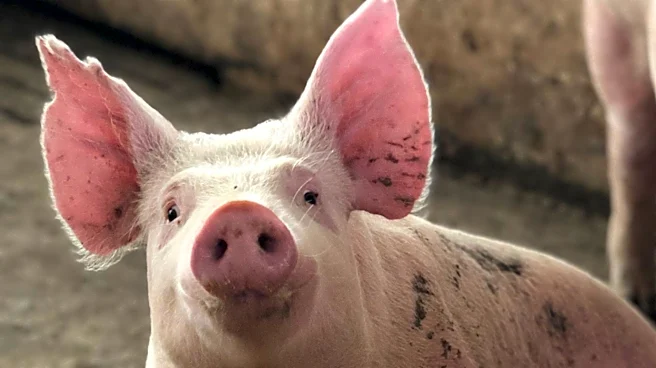
Residents of Tripp County, South Dakota, are pushing for the implementation of zoning regulations in response to a proposed 10,000-head hog confinement facility by Pipestone Management. The county is one of nine in South Dakota without zoning laws governing
confined animal feeding operations (CAFOs). A public meeting, organized by Dakota Rural Action, highlighted concerns about the industrial-scale project, which residents fear will negatively impact local agriculture, water resources, and property values. Commissioners recently declined a motion to consider temporary zoning, prompting residents to explore further actions, including petitions and a potential special election. The proposed facility, planned for Banner Township, would be owned by four families and employ 28 people, using an estimated 55,000 gallons of water daily from artesian wells and rural water, though some residents cite higher water usage estimates for similar operations.
Why It's Important?
This situation underscores a critical debate in rural areas across the U.S. regarding the balance between agricultural development and community protection. The absence of zoning regulations in Tripp County leaves local residents vulnerable to large-scale industrial projects that may not align with existing community values or environmental capacities. The proposed hog confinement facility raises significant concerns about water depletion, environmental impact, and the potential strain on local infrastructure. For local farmers and ranchers, the lack of zoning could lead to unintended consequences, as regulations designed to prevent large outside operations might also hinder the expansion of family-owned farms. The outcome in Tripp County could set a precedent for other rural areas grappling with similar industrial agricultural proposals and the need for local control over land use.
What's Next?
Tripp County residents are considering additional efforts to advocate for local control, including organizing a petition and potentially pursuing a special election to establish temporary zoning. This would allow the county time to study the issue and develop comprehensive, long-term regulations. A citizen committee may be formed to draft proposed regulations, which could then be put before voters. The debate is expected to continue, with residents seeking to protect their resources and way of life from what they perceive as industrial-scale projects that do not prioritize local interests. The South Dakota Department of Agriculture and Natural Resources' public listing of CAFO permit applications will be closely monitored for any updates regarding the Pipestone Management project.
Beyond the Headlines
The conflict in Tripp County reflects a broader national tension between industrial agriculture and local community autonomy. The push for zoning highlights a desire for communities to have a say in the scale and type of development that occurs within their borders, particularly when it involves large-scale operations with significant environmental and social footprints. This debate often pits economic development against environmental stewardship and quality of life. The concerns raised by residents, such as water usage and potential pollution, point to the long-term sustainability challenges associated with industrial-scale animal confinement. The outcome in Tripp County could influence how other rural communities approach land-use planning and the regulation of large agricultural enterprises, potentially leading to increased calls for local control and more stringent environmental protections.