


What's Happening?
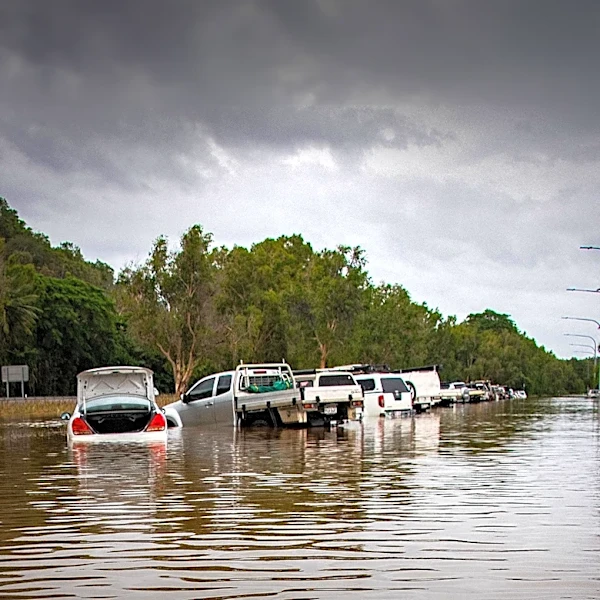
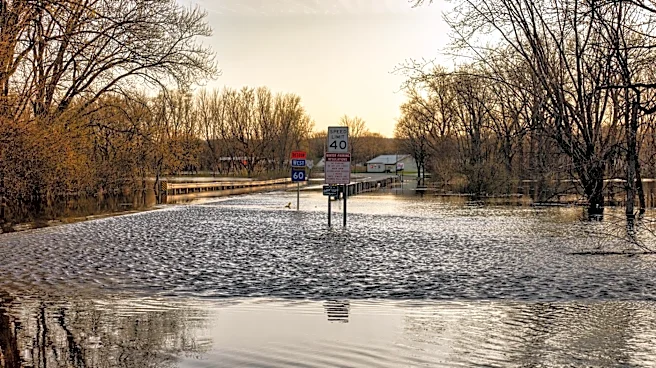
In the wake of severe flooding, the cities of Copperhill, Tennessee, and McCaysville, Georgia, are experiencing significant water shortages. The flooding, which resulted from seven inches of rain falling in eight hours, has caused extensive damage to
water treatment facilities and multiple water main breaks. As a result, officials have issued boil water advisories and are urging residents to conserve water until repairs can be completed. Volunteers are actively distributing bottled water to affected residents, highlighting community efforts to manage the crisis. The flooding was exacerbated by drainage issues linked to ongoing road construction, rather than the nearby river, leading to significant damage in downtown areas.
Why It's Important?
The flooding and subsequent water shortages in Copperhill and McCaysville underscore the vulnerability of infrastructure to extreme weather events. The situation highlights the need for robust water management systems and emergency preparedness plans to mitigate the impact of such natural disasters. The community's reliance on volunteer efforts for water distribution also points to the importance of local support networks in crisis situations. The economic impact on local businesses, particularly those in flood-damaged areas, could be significant, affecting livelihoods and local economies. This event may prompt a reevaluation of infrastructure resilience and emergency response strategies in similar communities.
What's Next?
Efforts to repair the damaged water systems are ongoing, with officials working to locate and fix water main breaks. The boil water advisory will remain in place until the water supply is deemed safe. The Georgia Department of Transportation (GDOT) has committed to investigating mitigation strategies to prevent future flooding, particularly in areas affected by construction. The community will continue to rely on volunteer support for water distribution until normal water service is restored. Long-term, this event may lead to policy discussions on infrastructure improvements and climate resilience in the region.