


What's Happening?
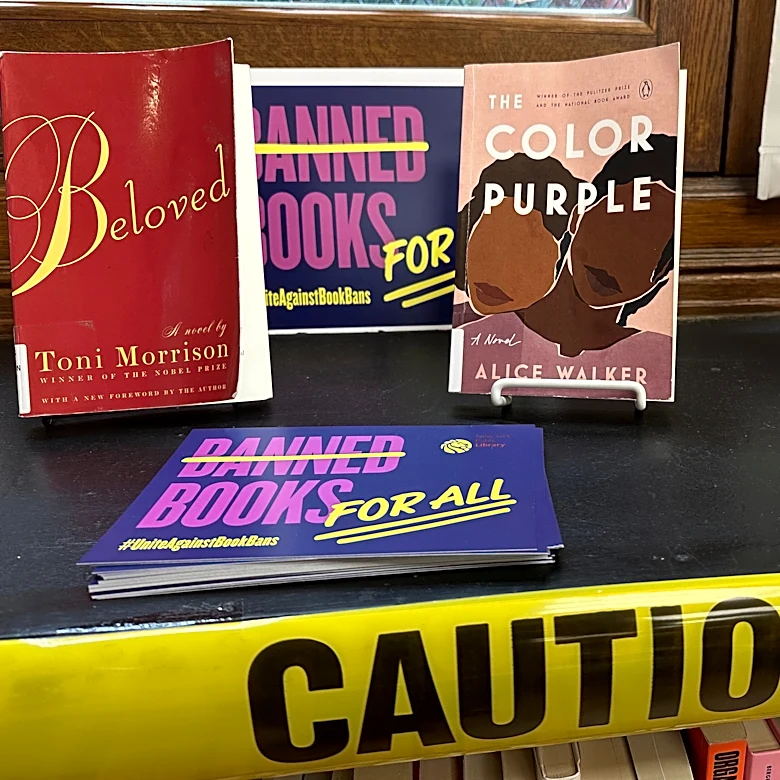
The American Library Association (ALA) has released its list of the most challenged books of 2025, documenting 4,235 unique titles being challenged, the second-highest on record. The list includes 'Sold' by Patricia McCormick and 'Gender Queer' by Maia
Kobabe. The ALA reports that 40% of challenged materials represent LGBTQ+ themes and people of color. The challenges are primarily driven by pressure groups and government officials, with 92% of challenges originating from these sources. The ALA defines a challenge as an attempt to remove or restrict access to library resources, highlighting a significant trend in censorship efforts across the U.S.
Why It's Important?
The increase in book challenges reflects ongoing cultural and political battles over representation and free expression in the U.S. Libraries, traditionally seen as bastions of free access to information, are at the forefront of these conflicts. The challenges highlight the tension between community values and the principles of intellectual freedom. The ALA's findings emphasize the need for vigilance in protecting access to diverse perspectives, particularly for marginalized communities. The report underscores the role of libraries in fostering inclusive environments and the importance of resisting censorship to ensure that all voices are heard and represented.
What's Next?
As book challenges continue to rise, libraries may face increased scrutiny and pressure to conform to specific ideological standards. The ALA and other advocacy groups are likely to continue their efforts to support libraries in defending intellectual freedom. Legal and policy responses may be necessary to address the growing trend of censorship and to protect the rights of readers and authors. The ongoing debate over book challenges is expected to influence public discourse and policy decisions, with potential implications for educational curricula and library collections nationwide. The outcome of these challenges could shape the future of access to diverse literature in the U.S.