






What's Happening?
The Rehmann Museum in Laufenburg, Switzerland, recently celebrated its 25th anniversary, marking a quarter-century as a hub for three-dimensional art. The celebration included not only speeches and music but also the implementation of an ecological vision.
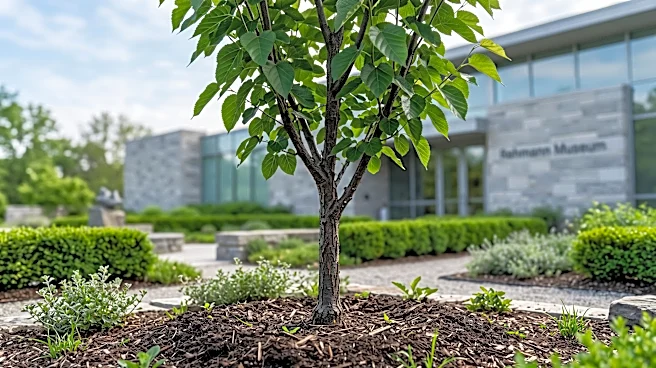
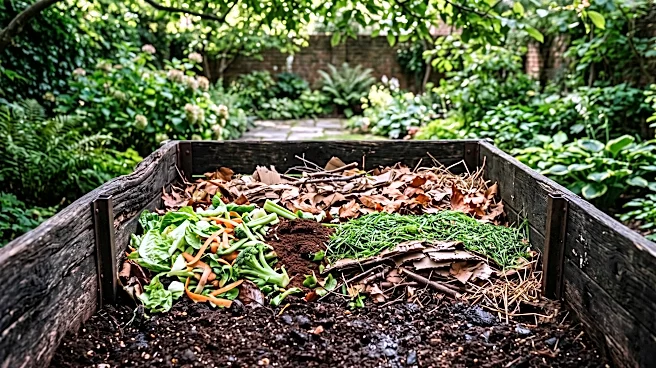
As part of the anniversary, the 1300-square-meter outdoor area was transformed into a 'Sculpture Garden Habitat.' A jubilee tree, a mulberry tree, was planted to symbolize the museum's deep roots in the region and its future growth. This transformation was a collaborative effort involving project manager Anja Trachsel from Jurapark Aargau and natural garden expert Katja Sattler, with support from museum gardener Martin Suter. The focus of the garden's redesign was to create a living space where art meets biodiversity, incorporating elements like a hedge for glowworms and the protected gray cinquefoil.
Why It's Important?
While located in Switzerland, the Rehmann Museum's initiative to integrate art with an ecological vision highlights a growing global trend towards sustainability and environmental consciousness within cultural institutions. This approach could serve as a model for U.S. museums and public spaces looking to enhance their environmental stewardship and engage visitors with nature. The emphasis on biodiversity and climate adaptation within an urban setting demonstrates how cultural sites can contribute to broader ecological goals. For U.S. communities, adopting similar strategies could lead to more resilient urban green spaces, increased public awareness of environmental issues, and innovative ways to present art in harmony with nature, potentially influencing urban planning and cultural programming nationwide.
What's Next?
The Rehmann Museum plans to continue developing its 'Sculpture Garden Habitat' as a showcase project for biodiversity and climate adaptation in urban areas. Museum Director Patrizia Solombrino has encouraged visitors to share their wishes and visions for the museum's next 25 years, indicating a commitment to community engagement and future-oriented planning. The success of this ecological integration could inspire other international and U.S. cultural institutions to pursue similar projects, fostering a global dialogue on the role of art in environmental conservation. Future steps may involve further expansion of the garden's biodiversity, educational programs centered on the intersection of art and nature, and continued collaboration with environmental experts.
Beyond the Headlines
The Rehmann Museum's 25th-anniversary celebration and its ecological transformation underscore a deeper cultural shift towards recognizing the interconnectedness of art, nature, and community well-being. This initiative moves beyond traditional museum functions by actively contributing to ecological health and climate resilience. It challenges the perception of museums as static repositories of art, repositioning them as dynamic spaces that can address contemporary environmental challenges. This model could influence U.S. cultural policy and funding, encouraging institutions to adopt more holistic approaches that blend artistic expression with environmental responsibility, thereby enriching public life and fostering a greater appreciation for both art and the natural world.