


What's Happening?
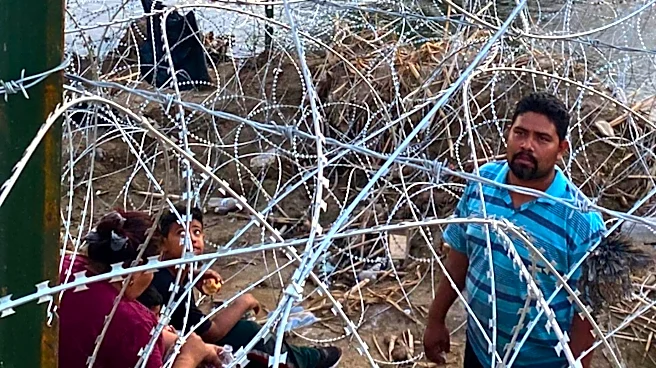
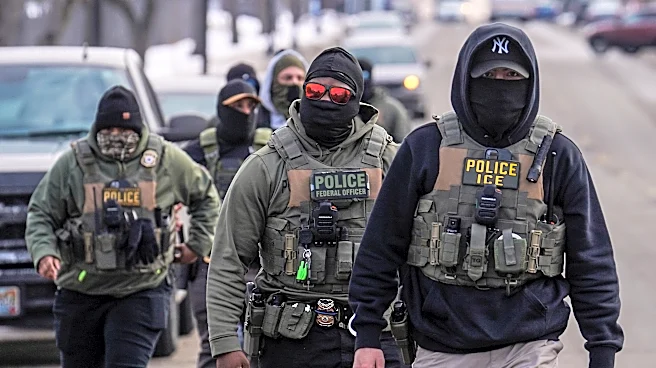
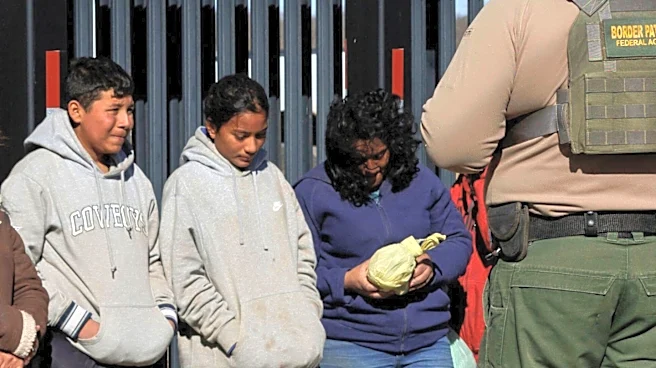
Southold Town is in the process of developing a policy to manage and communicate about federal immigration enforcement activities. This initiative comes in response to recent immigration arrests and heightened community concerns. The town board is working
on a policy that would require local officers to verify reports of outside law enforcement activity and establish a communication chain to inform town leaders and the public. This move follows a proposal by OLA of Eastern Long Island, a Latino advocacy group, which has been adopted by East Hampton Town and village to prevent local police from cooperating with federal immigration authorities. However, Rep. Nick LaLota has threatened to withhold discretionary spending from towns that refuse to cooperate with federal law enforcement, citing potential financial repercussions. The town aims to finalize the policy within two weeks, focusing on verified immigration actions and ensuring public safety.
Why It's Important?
The development of this policy is significant as it addresses the balance between local autonomy and federal cooperation in immigration enforcement. The decision by Southold Town could set a precedent for other municipalities grappling with similar issues. The potential withholding of discretionary funds by Rep. LaLota underscores the financial implications for towns that choose to limit cooperation with federal authorities. This situation highlights the ongoing national debate over immigration policy and local versus federal jurisdiction. The outcome could impact community trust in law enforcement and influence future legislative actions at both local and federal levels.
What's Next?
Southold Town plans to finalize and potentially vote on the proposed policy by August 25. The town board will continue to refine the policy details, focusing on how to communicate verified immigration actions to the public. The decision will likely prompt reactions from local advocacy groups, residents, and federal representatives. The outcome may influence similar policies in other towns and could lead to further discussions on the role of local law enforcement in federal immigration operations.