



What's Happening?
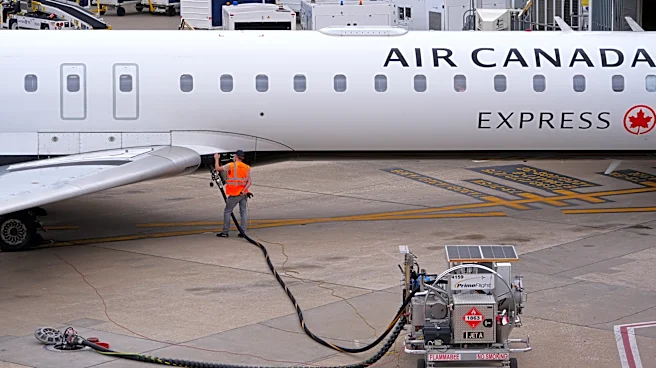
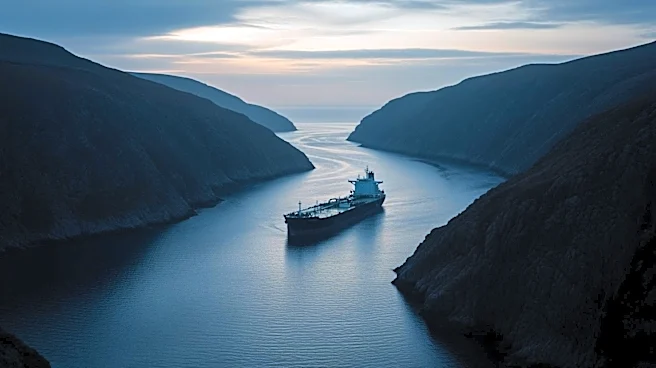
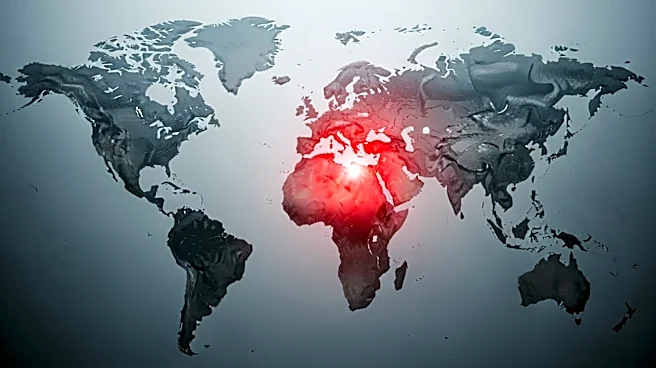
The International Energy Agency (IEA) has warned that Europe may face a jet fuel shortage within six weeks due to the ongoing blockade of the Strait of Hormuz by Iran. The closure has led to significant disruptions in oil supply, resulting in what the IEA describes
as the largest energy crisis ever faced. The situation is expected to lead to higher petrol, gas, and electricity prices, with emerging economies particularly vulnerable to the economic impact. The IEA's Executive Director, Fatih Birol, emphasized the potential for flight cancellations and broader economic repercussions if the blockade continues.
Why It's Important?
The potential jet fuel shortage poses a significant threat to the aviation industry and the broader European economy. The crisis highlights the vulnerability of global energy supply chains to geopolitical conflicts and the need for diversified energy sources. The situation may exacerbate inflationary pressures and slow economic growth, particularly in emerging economies. It underscores the importance of energy security and the need for strategic planning to mitigate the impact of such disruptions.
What's Next?
Europe may need to explore alternative sources of jet fuel to mitigate the impact of the shortage. The IEA has warned that even with a peace agreement, it could take months to restore pre-conflict production levels in the Persian Gulf. The ongoing geopolitical tensions may lead to further disruptions in energy supply chains, prompting governments to consider emergency measures to support affected industries.
Beyond the Headlines
The crisis highlights the ethical implications of energy access and distribution during geopolitical conflicts. It underscores the need for international cooperation to ensure equitable access to energy resources and support for vulnerable populations. The situation may drive investments in renewable energy and energy efficiency to reduce dependence on fossil fuels and enhance energy security.