



What's Happening?
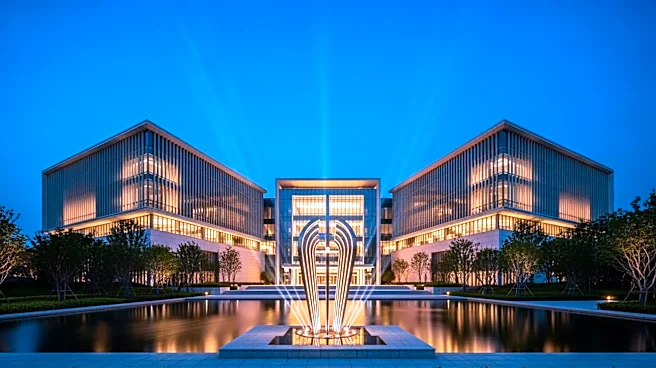
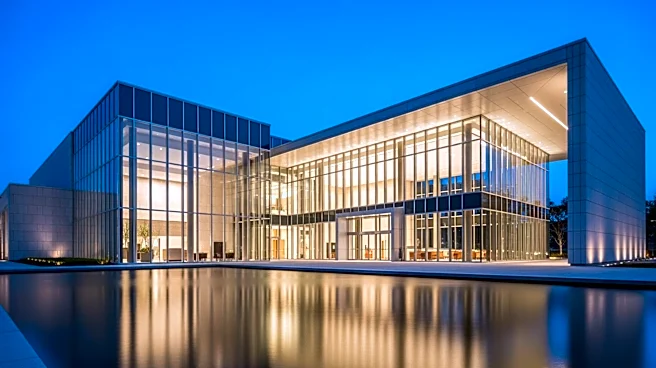
The opening of the Barack Obama Presidential Center in Chicago's South Side has raised significant concerns about gentrification and displacement among local residents. The center, part of a 19-acre, $850 million campus, is located in the Woodlawn neighborhood,
an area historically inhabited by low-income, predominantly Black residents. Pastor Jeffery Campbell, a long-time resident and community leader, has observed rising rents and the displacement of long-term residents due to the development. The University of Chicago's involvement in the area has also been criticized for contributing to gentrification, as it has historically supported discriminatory housing practices. Despite efforts by local coalitions to secure a community benefits agreement with the Obama Foundation, no such agreement was reached, leaving the city to implement measures like the Woodlawn protection ordinance to safeguard affordable housing.
Why It's Important?
The development of the Obama Presidential Center highlights broader issues of gentrification and affordable housing in urban areas across the United States. As property values rise, long-term residents, particularly those from marginalized communities, face the risk of being priced out of their neighborhoods. This situation underscores the tension between urban development and the preservation of community identity and affordability. The center's opening also reflects the challenges of balancing economic development with social equity, as new projects can bring both opportunities and displacement. The situation in Chicago serves as a microcosm of similar struggles in other cities, where the influx of investment and development often leads to increased living costs and the erosion of established communities.
What's Next?
In response to the gentrification concerns, local organizations and community leaders are advocating for more robust protections for residents. The Woodlawn church is planning to build senior-specific affordable housing to help older residents remain in the neighborhood. Additionally, the city has passed ordinances to protect displaced tenants and create more affordable housing. However, the effectiveness of these measures remains to be seen, as many programs intended to support affordable housing have been underutilized. The ongoing dialogue between community groups, the city, and the Obama Foundation will be crucial in addressing these challenges and ensuring that development benefits all residents.
Beyond the Headlines
The situation in Chicago also raises questions about the role of major institutions, like universities, in urban development and their responsibility to the communities they impact. The University of Chicago's historical role in shaping the racial geography of the city through discriminatory covenants highlights the long-term effects of institutional policies on community demographics. As cities continue to evolve, the ethical implications of development projects and their impact on social equity will remain a critical area of discussion. The Obama Presidential Center's opening serves as a reminder of the complex interplay between progress and preservation in urban environments.