






What's Happening?
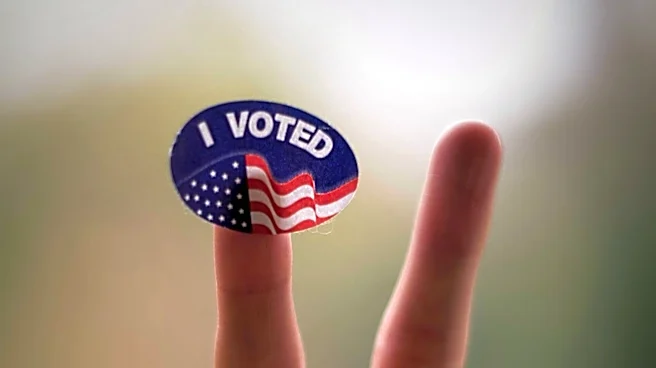
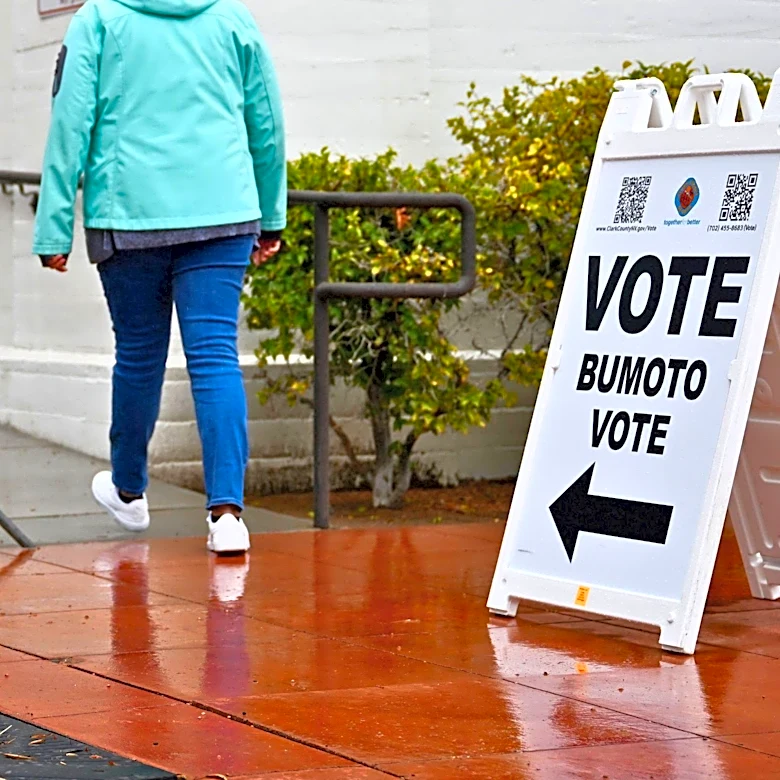
Secretary of Homeland Security Markwayne Mullin has issued a demand for states to run their voter rolls through a federal digital tool intended to identify noncitizens who are ineligible for certain government programs. This move comes despite federal judges
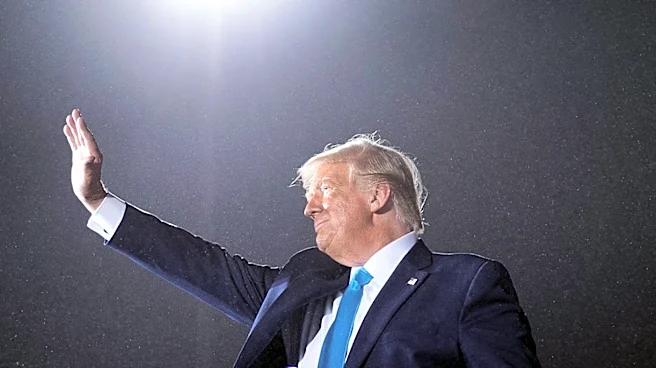
having blocked similar federal demands 16 times, citing that the tool was not designed to scan citizens' information and often mistakenly flags recently naturalized citizens as noncitizens. Mullin has threatened state officials with criminal prosecution if they do not comply with the demands set forth by President Trump. This action is part of a broader narrative pushed by President Trump and his administration, which claims to be defending the United States against a perceived communist threat. The administration has been promoting a conspiracy theory that suggests a communist takeover is underway, with Trump and his allies positioning themselves as defenders of the nation.
Why It's Important?
The demand from the Department of Homeland Security represents a significant escalation in the Trump administration's efforts to influence state-level election processes. By pushing for the use of a federal tool that has been legally challenged, the administration is potentially setting up a confrontation with state governments and the judiciary. This move could have far-reaching implications for voter rights and election integrity, particularly affecting naturalized citizens who may be wrongly flagged by the system. The administration's actions are part of a larger strategy to consolidate power and influence future elections, which could undermine democratic processes and erode public trust in electoral systems. The threat of criminal prosecution against state officials adds a layer of coercion that could further strain federal-state relations.
What's Next?
The legal battles over the use of the federal tool for voter roll checks are likely to continue, with states potentially resisting compliance due to the previous court rulings. This could lead to further legal challenges and a possible showdown between state governments and the federal administration. Additionally, the administration's rhetoric and actions may provoke responses from civil rights organizations and advocacy groups, who could mobilize to protect voter rights and challenge the administration's narrative. The political landscape may also be affected, as state officials and lawmakers navigate the pressures from the federal government while considering the implications for their constituents and upcoming elections.
Beyond the Headlines
The push to use a federal tool for voter roll checks raises ethical and legal questions about the balance of power between federal and state governments. It also highlights the potential for technology to be used in ways that may infringe on individual rights and privacy. The administration's narrative of a communist threat and the framing of political opponents as enemies of the state reflect a broader cultural and ideological battle that could deepen divisions within American society. The long-term impact of these developments could include shifts in how elections are conducted and perceived, as well as changes in public attitudes towards government authority and civil liberties.