




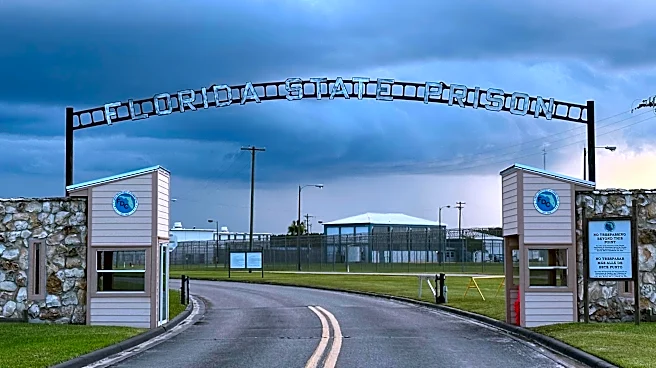
What's Happening?
Matthew Keirans was found to have stolen the identity of his co-worker, William Woods, for several decades. Keirans manipulated law enforcement into prosecuting Woods, leading to Woods spending 428 days in jail and 147 days in a mental hospital. The truth
came to light when DNA evidence proved Woods's innocence, revealing the extent of Keirans's deception. This case highlights significant failures in the justice system, where an innocent man was wrongfully detained and institutionalized based on false identity claims.
Why It's Important?
This case underscores critical vulnerabilities in identity verification processes within the legal system. The wrongful prosecution and institutionalization of William Woods highlight the potential for abuse when identity theft is not adequately detected. It raises concerns about the reliance on non-DNA evidence in legal proceedings and the need for more robust identity verification mechanisms. The incident also points to the psychological and social impacts on individuals wrongfully accused and detained, emphasizing the importance of safeguarding civil liberties and ensuring justice is served accurately.
What's Next?
The revelation of this identity theft case may prompt legal reforms aimed at strengthening identity verification processes in criminal investigations. Law enforcement agencies might review and update their protocols to prevent similar occurrences in the future. Additionally, there could be discussions around compensating victims of wrongful prosecution and institutionalization, as well as providing them with psychological support. The case may also lead to increased advocacy for the rights of individuals wrongfully accused, pushing for systemic changes to prevent such injustices.
Beyond the Headlines
This case highlights the ethical implications of identity theft and the responsibilities of law enforcement to verify claims thoroughly. It raises questions about the balance between security and individual rights, and the potential for systemic biases to influence legal outcomes. The long-term psychological impact on victims like William Woods, who endure wrongful detention, is significant, necessitating a broader conversation about mental health support and rehabilitation for those affected by such legal errors.