



What's Happening?
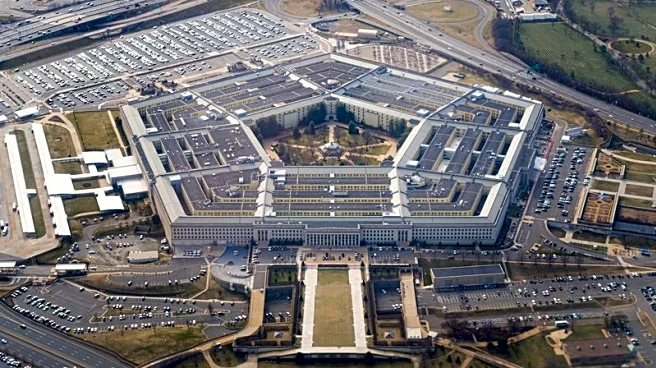
The Pentagon is expediting the allocation of over $150 billion in reconciliation funds, aiming to obligate the money through signed contracts by September 30. This urgency is driven by political pressures to protect the funds from potential rescission
by a future Congress. The funding plan includes significant investments in critical minerals supply chains, long-range cruise missiles, and other defense priorities. The Pentagon's strategy is to accelerate execution without sacrificing effectiveness, with a focus on production-heavy sectors.
Why It's Important?
The rapid allocation of defense funds highlights the challenges of managing large influxes of government spending in a politically charged environment. By securing these funds, the Pentagon aims to bolster the U.S. defense industrial base and address critical supply chain vulnerabilities. However, the unpredictability of defense funding can complicate long-term planning and investment in production capacity. This situation underscores the need for stable and predictable defense budgets to ensure efficient resource allocation and strategic planning.
What's Next?
As the Pentagon moves forward with its funding plan, it will need to navigate the complexities of contract negotiations and project execution. The focus on production-heavy sectors may lead to increased demand for manufacturing capabilities and workforce development. Additionally, the Pentagon's efforts to streamline its acquisitions system and improve financial oversight will be critical to the successful implementation of its funding strategy.