





What's Happening?
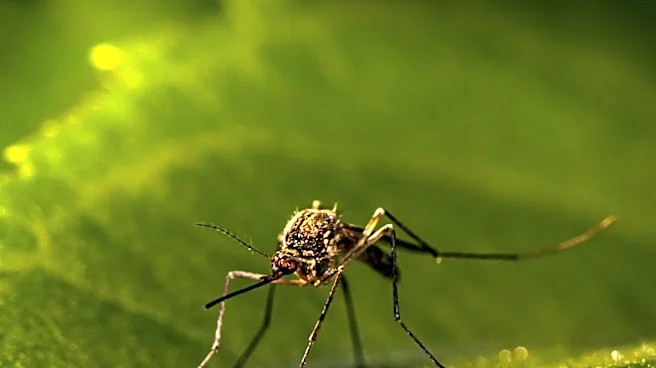
Climate change is significantly impacting the spread and resurgence of vector-borne diseases, such as malaria and dengue. Harsh climatic conditions, including floods, droughts, and extreme weather events, are disrupting efforts to eliminate these diseases.
In San Diego, increased mosquito activity due to hot, humid weather and high tides raises concerns about the spread of diseases like dengue and West Nile virus. The Eastern Mediterranean Region (EMR) faces a high burden of communicable diseases, with climate change exacerbating the situation by influencing disease spread and resurgence. The World Health Organization (WHO) is working on a multi-communicable disease elimination (MCDE) approach to address these challenges.
Why It's Important?
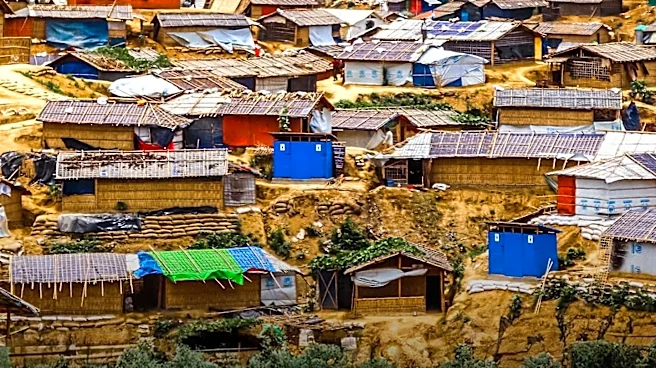
The spread of vector-borne diseases due to climate change poses significant public health challenges. It strains healthcare systems and resources, particularly in regions already burdened by multiple communicable diseases. The disruption of disease elimination efforts can lead to increased morbidity and mortality, affecting economic productivity and societal well-being. The WHO's MCDE approach aims to integrate interventions across existing programs, harmonize service delivery, and accelerate progress towards disease elimination. This coordinated effort is crucial for reducing the global burden of vector-borne diseases and mitigating the impacts of climate change on public health.
What's Next?
The WHO is developing a new strategy document on the MCDE framework, which will be presented at the 73rd Regional Committee in 2026. This framework aims to accelerate action towards disease elimination and confirm the elimination of certain diseases. The WHO is also working on strengthening healthcare-associated infection (HAI) surveillance systems in high-priority countries. These efforts are part of a broader initiative to enhance global health security and resilience against the impacts of climate change on disease spread.
Beyond the Headlines
The intersection of climate change and public health highlights the need for integrated approaches to address complex global challenges. The WHO's MCDE initiative emphasizes the importance of regional cooperation and shared commitments to disease elimination. This approach not only addresses immediate health threats but also contributes to long-term sustainability and resilience. The initiative underscores the interconnectedness of environmental, social, and health systems, advocating for comprehensive strategies to tackle the root causes of disease spread and resurgence.