






What's Happening?
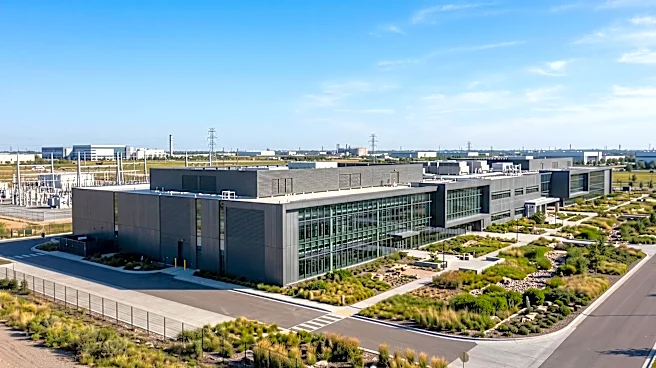
OpenAI is rebranding its data centers as 'compute campuses' and has released a National Community Compact in response to growing public concerns and recent voter rejections of data center proposals. The company pledges to implement changes in how it develops
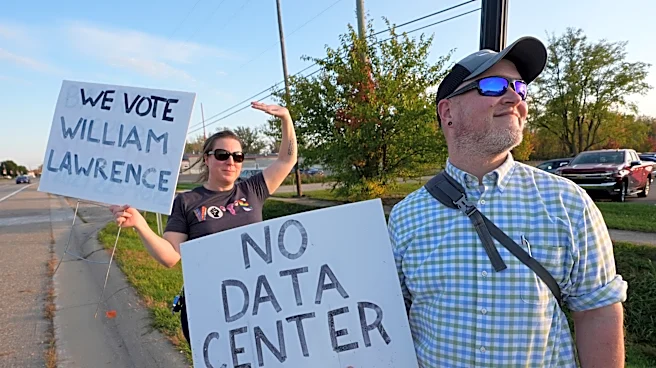
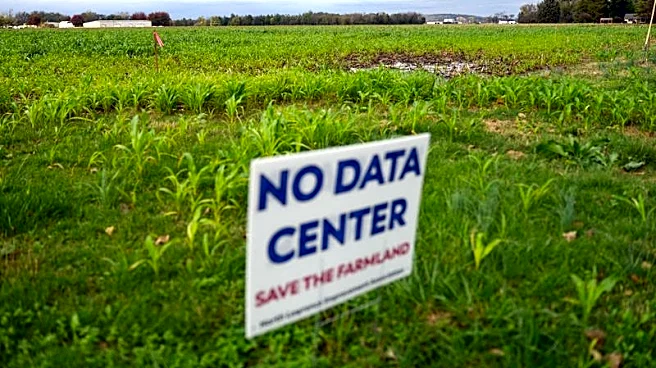
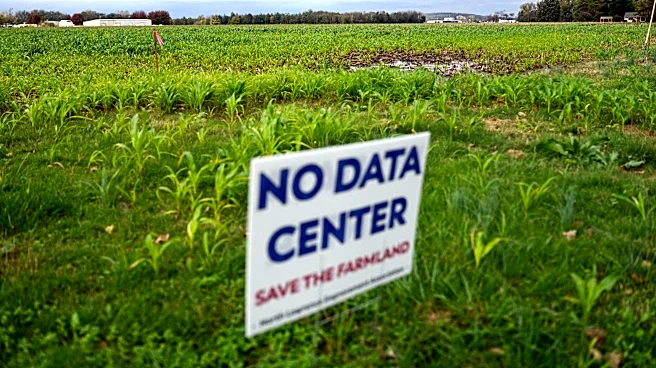
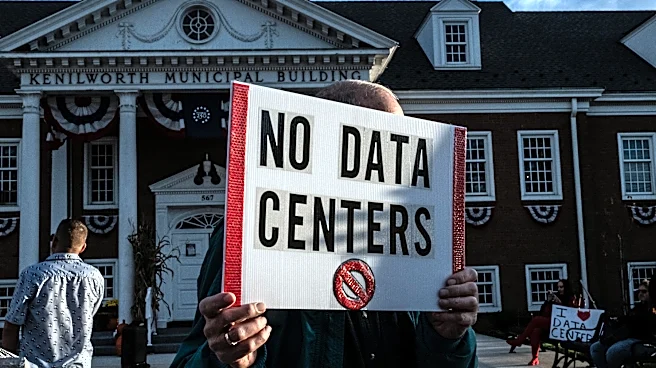
and operates these facilities, including publishing construction plans, conducting independent noise studies, and reporting water and electricity usage. OpenAI also committed to not requiring public officials to sign non-disclosure agreements during discussions, while allowing for narrow protections of sensitive information. Furthermore, the company promises to cover the electricity and infrastructure costs associated with its sites and provide financial assurances to protect other customers from project delays or cancellations. This initiative follows recent elections where voters in 10 states largely opposed data center developments, indicating widespread community apprehension regarding their impact.
Why It's Important?
This strategic shift by OpenAI highlights the increasing tension between rapid technological expansion and local community concerns. The rebranding and new compact are an attempt to address public backlash against data centers, which are often perceived as noisy, resource-intensive, and disruptive to local environments. The company's commitment to transparency, local engagement, and financial responsibility aims to build trust and secure community acceptance, which is crucial for its continued growth and infrastructure development. The broader implications extend to the entire tech industry, as other companies like Amazon and Microsoft are also investing in community programs to mitigate negative perceptions of their data center operations. This trend underscores a growing recognition that technological advancement must be balanced with social responsibility and local community welfare to ensure sustainable development.
What's Next?
OpenAI's success in mitigating community opposition will depend on the effective implementation of its National Community Compact and whether its 'compute campus' rebrand genuinely shifts public perception. The company will likely continue to engage with local communities, offering benefits such as grants for school meals and childcare, as seen in Effingham County, Georgia, and Pike County, Ohio. Policymakers may also be influenced by OpenAI's call for industry-wide rules, potentially leading to new regulations that require large electricity users to cover their grid costs and publicly report on local impacts. However, some experts remain skeptical, suggesting that rebranding alone may not overcome deep-seated distrust of big tech companies. The effectiveness of these measures will be closely watched as OpenAI seeks to expand its physical infrastructure necessary for AI development.
Beyond the Headlines
The debate surrounding data centers and their impact touches upon deeper societal issues beyond just noise and resource consumption. It reflects concerns about corporate power, local autonomy, and the equitable distribution of benefits and burdens from technological progress. The public's resistance to data centers can be seen as a proxy for broader anxieties about affordability and communities losing control over their futures. While OpenAI's efforts to engage and compensate communities are a step towards addressing these concerns, the challenge remains in bridging the trust gap between large tech corporations and local residents. This situation also raises ethical questions about the responsibility of tech giants to contribute to the well-being of the communities they operate in, beyond mere compliance with regulations. The long-term success of AI development may hinge not just on technological innovation, but also on the industry's ability to foster genuine community partnership and address societal anxieties.