








What's Happening?
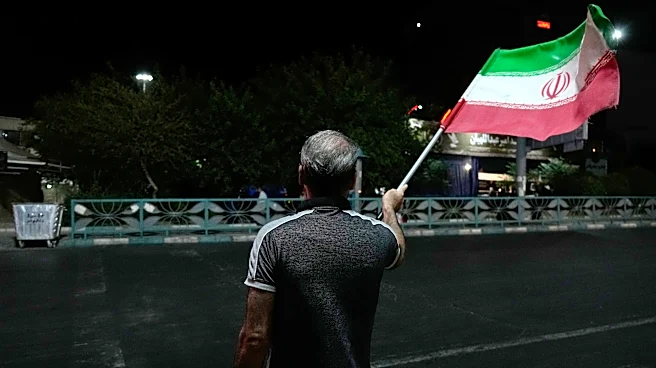
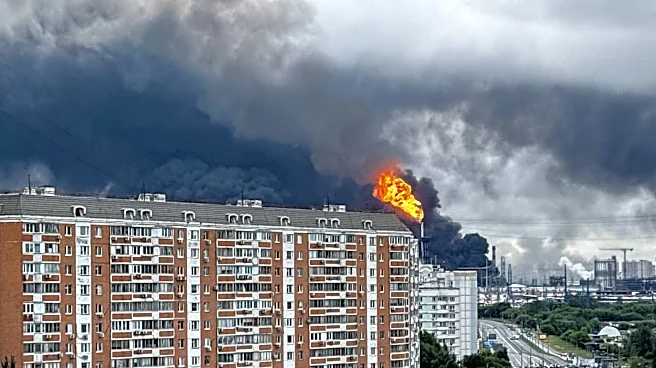
The International Energy Agency (IEA) has issued a warning regarding the potential impact of renewed hostilities between the United States and Iran on global oil supply recovery. The conflict, which has disrupted production and exports across the Middle
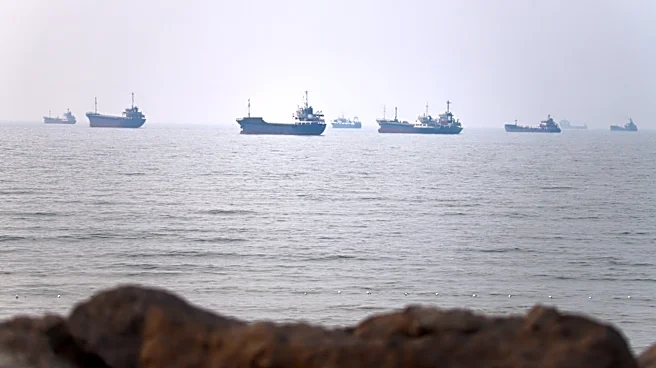
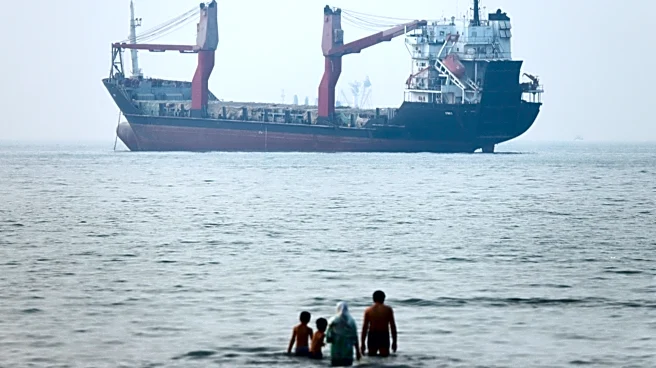
East, threatens to extend the global energy crisis. The IEA highlighted that the effective closure of the Strait of Hormuz has significantly reduced crude oil flows, impacting the global economy. Despite a recent memorandum of understanding between the US and Iran, the resumption of fighting has halted shipping through the strait, complicating the outlook for oil supply and demand. Efforts are underway to revive diplomacy, with countries like Pakistan and Qatar attempting to mediate between the US and Iran.
Why It's Important?
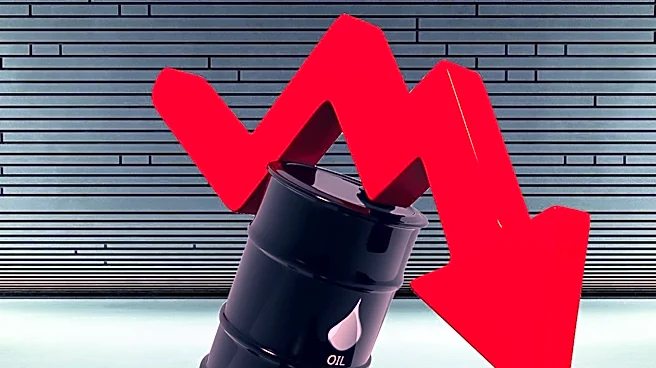
The escalation between the US and Iran poses significant risks to the global economy, particularly in the energy sector. The Strait of Hormuz is a critical chokepoint for global oil and liquefied natural gas exports, and its closure has already led to a reduction in oil supply and increased prices. This situation could exacerbate the existing global energy crisis, affecting industries and consumers worldwide. The potential for further conflict also threatens diplomatic progress and could lead to broader regional instability, impacting international relations and economic stability.
What's Next?
Diplomatic efforts are ongoing to de-escalate tensions and reinstate a ceasefire between the US and Iran. Countries like Pakistan and Qatar are actively working to bring both parties back to the negotiating table. The outcome of these efforts will be crucial in determining the future of global oil supply and regional stability. The IEA's forecast for a rebalancing of global oil supply and demand hinges on the successful reopening of the Strait of Hormuz and the maintenance of a ceasefire.