




What's Happening?
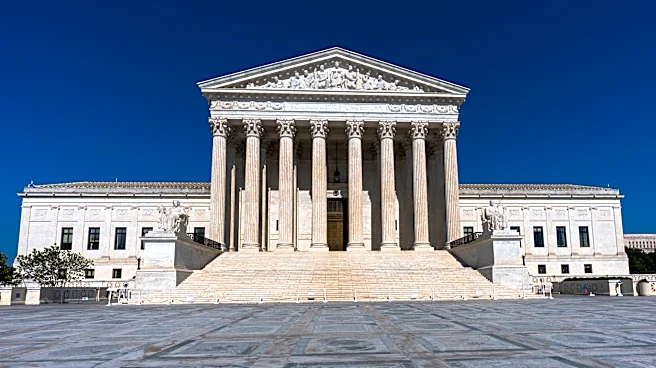
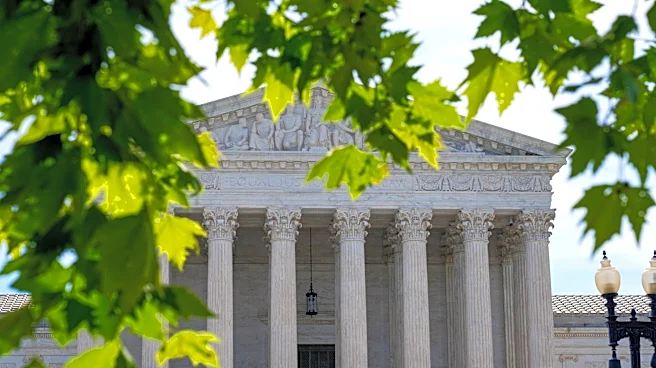
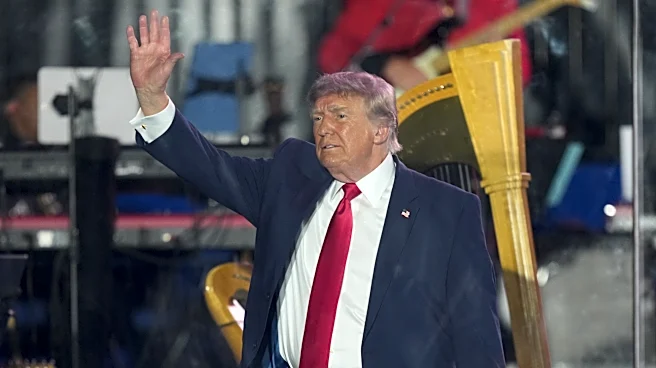
The Make America Healthy Again (MAHA) movement, which has been a strong supporter of President Trump, feels betrayed following a Supreme Court ruling that shields Monsanto, the maker of the weed killer Roundup, from state lawsuits. The ruling, supported
by the Trump administration, prevents states from requiring cancer warnings on Roundup labels. This decision has sparked outrage among MAHA supporters, who view it as a reversal of Trump's campaign promises to protect public health. The administration's backing of Monsanto is seen as aligning with the chemical industry, contrary to MAHA's goals of reducing chemical exposure and promoting health. The ruling has led to a sense of disillusionment within the movement, with some members questioning their political support and considering abstaining from voting.
Why It's Important?
The Supreme Court's decision has significant implications for public health and legal accountability. By shielding Monsanto from state lawsuits, the ruling limits the ability of individuals to seek redress for health issues potentially linked to Roundup. This decision could embolden other chemical manufacturers, potentially leading to increased use of hazardous substances without adequate consumer warnings. Politically, the ruling may weaken President Trump's support among health-conscious voters, particularly those in the MAHA movement, who feel their concerns are being ignored. This discontent could influence voter turnout and political dynamics in upcoming elections, as MAHA supporters reassess their political affiliations and advocacy strategies.
What's Next?
The MAHA movement may intensify its advocacy efforts, focusing on raising awareness about chemical safety and pushing for legislative changes to enhance consumer protections. The ruling could also prompt increased scrutiny of the Trump administration's environmental and health policies, potentially leading to political challenges. As the midterm elections approach, the administration may need to address the concerns of disillusioned supporters to maintain their political base. Additionally, the ruling could inspire new legal and legislative efforts at the state and federal levels to address chemical safety and consumer rights.
Beyond the Headlines
The ruling highlights broader issues of corporate influence in politics and the balance between economic interests and public health. It raises ethical questions about the role of government in protecting citizens from potential health risks and the extent to which industry interests should be prioritized. The decision may also contribute to a growing public discourse on environmental justice and the need for more transparent and accountable regulatory processes. Long-term, this case could influence public perceptions of the judicial system's role in safeguarding health and environmental standards.