


What's Happening?
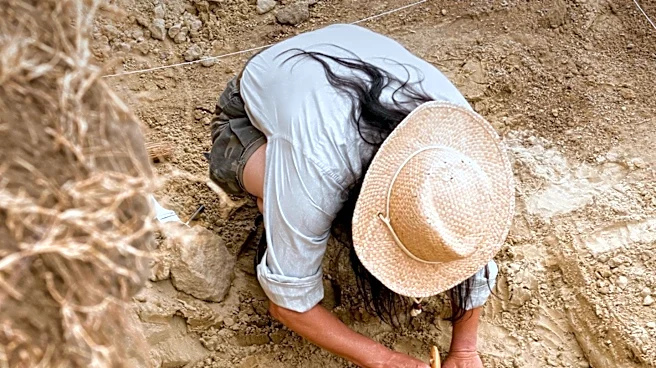
The archaeological survey at the Kailua Municipal Parking Lot is concluding today, November 6, 2026. The survey, which has been ongoing, required the temporary closure of up to eight parking stalls at a time between 9:30 AM and 5:30 PM. Alternate parking was
made available at 25 Aulike St. The Department of Design and Construction oversaw the survey. This archaeological work is a standard procedure often conducted before significant construction or renovation projects to identify and preserve any historical or cultural artifacts that may be present beneath the surface.
Why It's Important?
Archaeological surveys are crucial for preserving Hawaii's rich cultural heritage. The completion of this survey at the Kailua Municipal Parking Lot ensures that any significant historical or cultural resources in the area are identified and properly documented or protected before any future development proceeds. This process helps to prevent the inadvertent destruction of invaluable historical evidence, which could provide insights into past human activities and the evolution of the local community. For the community, it signifies a commitment to respecting and understanding the historical landscape, balancing modern development needs with the preservation of heritage.
What's Next?
With the archaeological survey now complete, the findings will be analyzed by experts. Depending on what was discovered, recommendations will be made regarding any necessary preservation measures or further investigations. This information will then inform future plans for the Kailua Municipal Parking Lot, whether it involves new construction, renovations, or other urban development projects. The Department of Design and Construction will likely integrate these archaeological considerations into their planning processes to ensure compliance with historical preservation guidelines and regulations. The public may be informed of any significant findings or subsequent project phases.
Beyond the Headlines
The conclusion of the archaeological survey in Kailua underscores the ongoing tension and necessary balance between urban development and cultural preservation in Hawaii. Such surveys are not merely bureaucratic steps but are vital for maintaining the unique identity and historical narrative of the islands. They often reveal hidden layers of history, connecting contemporary communities to their ancestral past. This process also highlights the role of local government agencies in safeguarding cultural resources, ensuring that growth is managed in a way that respects the land's heritage. It serves as a reminder that beneath modern infrastructure often lies a rich, untold history waiting to be discovered and protected for future generations.